2-Nitrobenzyl alcohol → HCID 89852854, compound
Reaction equation

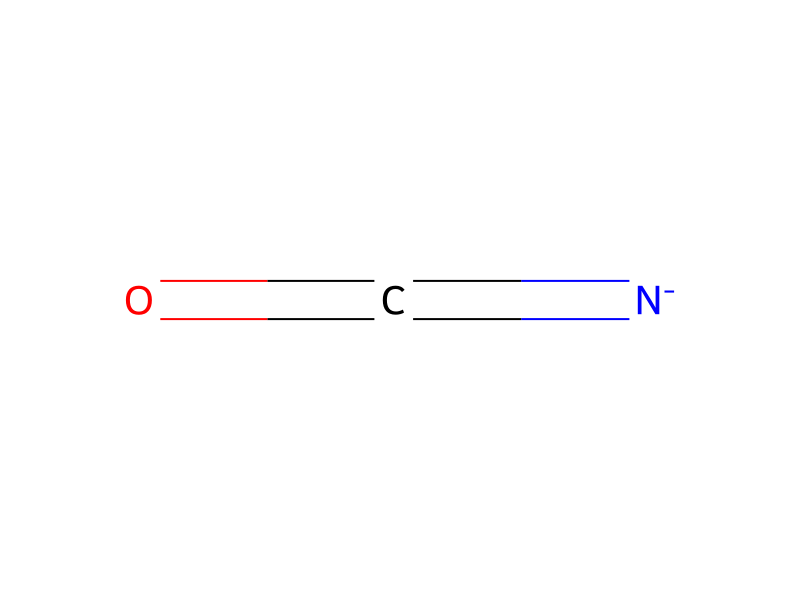
[N+:1]([C:4]1[CH:11]=[CH:10][CH:9]=[CH:8][C:5]=1[CH2:6][OH:7])([O-:3])=[O:2].[C:12]([O:17][CH2:18][CH2:19][N:20]=[C:21]=[O:22])(=[O:16])[C:13]([CH3:15])=[CH2:14].[N-]=C=O>C([O-])(=O)CCCCCCCCCCC.C([O-])(=O)CCCCCCCCCCC.C([Sn+2]CCCC)CCC.C1(C)C=CC=CC=1>[CH3:15][C:13](=[CH2:14])[C:12]([O:17][CH2:18][CH2:19][NH:20][C:21]([O:7][CH2:6][C:5]1[CH:8]=[CH:9][CH:10]=[CH:11][C:4]=1[N+:1]([O-:3])=[O:2])=[O:22])=[O:16]Participants
Reactant 3


Product 1

Reagents, catalysts & solvents 2


Procedure
A monomer was prepared by adding 14.4 g 2-nitrobenzyl alcohol (Alfa Aesar, Ward Hill, Mass.), 14.6 g isocyanatoethyl methacrylate (Aldrich, Milwaukee, Wis.), and 1 drop of dibutyltin dilaurate (Alfa Aesar, Ward Hill, Mass.) to a 4-ounce jar. The jar was sealed and placed in a 70° C. oven for 2 hours. The resulting reaction mixture was analyzed by infrared spectroscopy (Nexus 670 FT-IR E.S.P.; Thermo Nicolet Corporation; Madison, Wis.) which showed no absorbance at 2250 cm−1, indicating substantially no remaining isocyanate functionality. The reaction mixture was cooled and 40 mL of toluene were added to it. The jar was then capped and refrigerated overnight. The next day, the white crystals that had separated were filtered off and dried to produce 26.9 g of NBMA. NMR and IR spectral analyses confirmed the structure of the product.
Workup
- customA monomer was prepared
- customThe jar was sealed
- customplaced in a 70° C.
- customfor 2 hours
- customThe resulting reaction mixture
- temperatureThe reaction mixture was cooled
- customThe jar was then capped and refrigerated overnight
- customThe next day, the white crystals that had separated
- filtrationwere filtered off
- customdried
- customto produce 26.9 g of NBMA
Sources & evidence
- ORD record
- ord-f24ece00b63f491da2628a67d68f1283
- Source dataset
- uspto-grants-2016_01
- Patent number
- US09238702B1
Reaction notes
Loading…