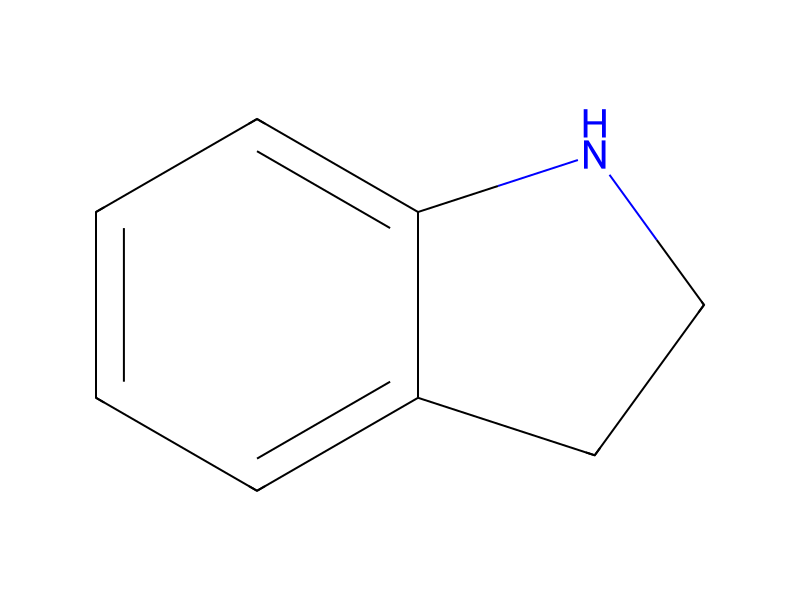
Indoline → Methyl 5-dimethylamino-2-methyl-1-quinazolin-4-ylindolin-3-ylacetate
Reaction equation

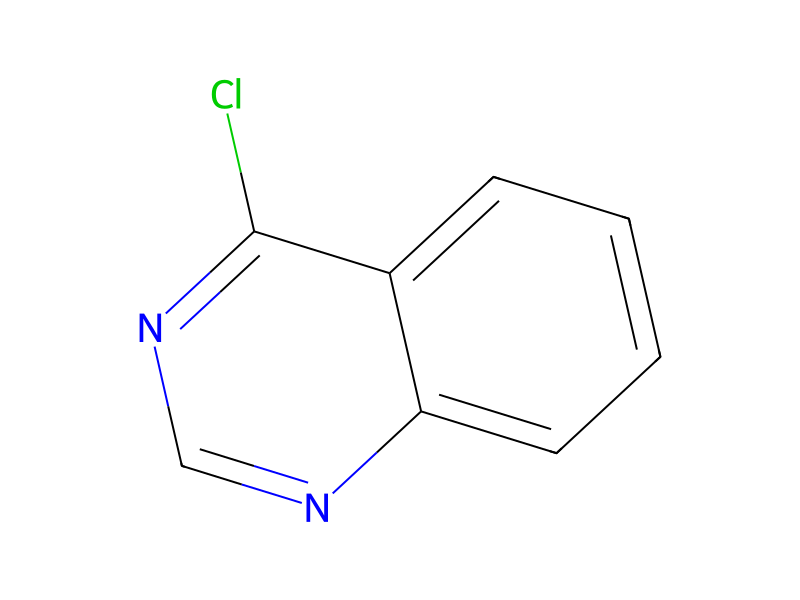
[NH:1]1[C:9]2C(=CC=CC=2)C[CH2:2]1.Cl[C:11]1C2C(=CC=CC=2)N=CN=1.[N:21]1[C:30]2[C:25](=[CH:26][CH:27]=[CH:28][CH:29]=2)[C:24]([N:31]2[C:39]3[C:34](=[CH:35][CH:36]=[CH:37][CH:38]=3)[CH:33]([CH2:40][C:41]([O:43][CH2:44]C)=[O:42])[CH2:32]2)=[N:23][CH:22]=1>>[CH3:2][N:1]([CH3:9])[C:36]1[CH:35]=[C:34]2[C:39](=[CH:38][CH:37]=1)[N:31]([C:24]1[C:25]3[C:30](=[CH:29][CH:28]=[CH:27][CH:26]=3)[N:21]=[CH:22][N:23]=1)[CH:32]([CH3:11])[CH:33]2[CH2:40][C:41]([O:43][CH3:44])=[O:42]Participants
4


Procedure
This indoline derivative was then reacted with 4-chloroquinazoline in a similar manner to that described in Example 4 for the preparation of ethyl 1-quinazolin-4-ylindolin-3-ylacetate, and there was obtained methyl 5-dimethylamino-2-methyl-1-quinazolin-4-ylindolin-3-ylacetate, as a syrup which was shown to be pure by TLC (systems A and B).
Sources & evidence
- ORD record
- ord-e1b8d66455274e0fa7ae452a9f1b90f5
- Source dataset
- uspto-grants-1977_03
- Patent number
- US04012513
Reaction notes
Loading…