Tributylphosphine → methyl 3-(2-chloro-6-fluorophenyl)-2-hydrazinylidene-3-oxopropanoate
Reaction equation

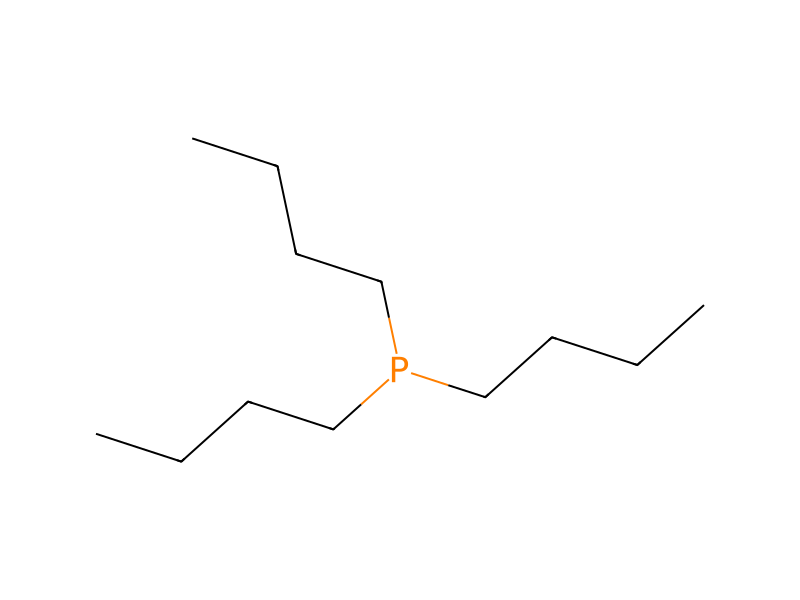
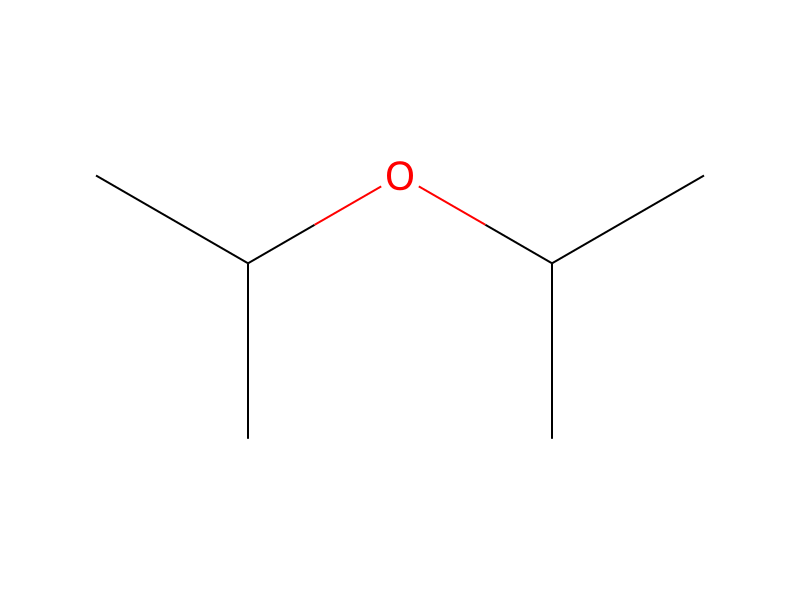
[Cl:1][C:2]1[CH:7]=[CH:6][CH:5]=[C:4]([F:8])[C:3]=1[C:9](=[O:17])[C:10](=[N+:15]=[N-:16])[C:11]([O:13][CH3:14])=[O:12].C(P(CCCC)CCCC)CCC>C(OC(C)C)(C)C>[Cl:1][C:2]1[CH:7]=[CH:6][CH:5]=[C:4]([F:8])[C:3]=1[C:9](=[O:17])[C:10](=[N:15][NH2:16])[C:11]([O:13][CH3:14])=[O:12]Participants
4


Procedure
To 4.90 g (19.1 m=ol) of methyl 3-(2-chloro-6-fluorophenyl)-2-diazo-3-oxopropionate in 100 mL of diisopropyl ether was added 5.2 mL (21 mmol) of tributylphosphine. The bright yellow phosphazine adduct that precipitated from solution after 30 min. was collected, dissolved in dichloromethane and concentrated onto silica gel. The hydrazone product was eluted with a 75% hexanes/ethyl acetate mixture to give 3.14 g of the title compound as an off-white solid. The filtrate from the adduct formation was similarly loaded onto silica gel and eluted to give an additional 1.04 g of the title compound. An overall isolated yield of 4.18 g (85%) of the title compound as a 10:1 mixture of hydrazone isomers was obtained.
Workup
- customThe bright yellow phosphazine adduct that precipitated from solution after 30 min.
- customwas collected
- dissolutiondissolved in dichloromethane
- concentrationconcentrated onto silica gel
- washThe hydrazone product was eluted with a 75% hexanes/ethyl acetate mixture
Sources & evidence
- ORD record
- ord-d8e584d5c373422b99ed1d351089a974
- Source dataset
- uspto-grants-2011_03
- Patent number
- US07897607B2
Reaction notes
Loading…