P-Cresol → HCID 54398422, compound
Reaction equation

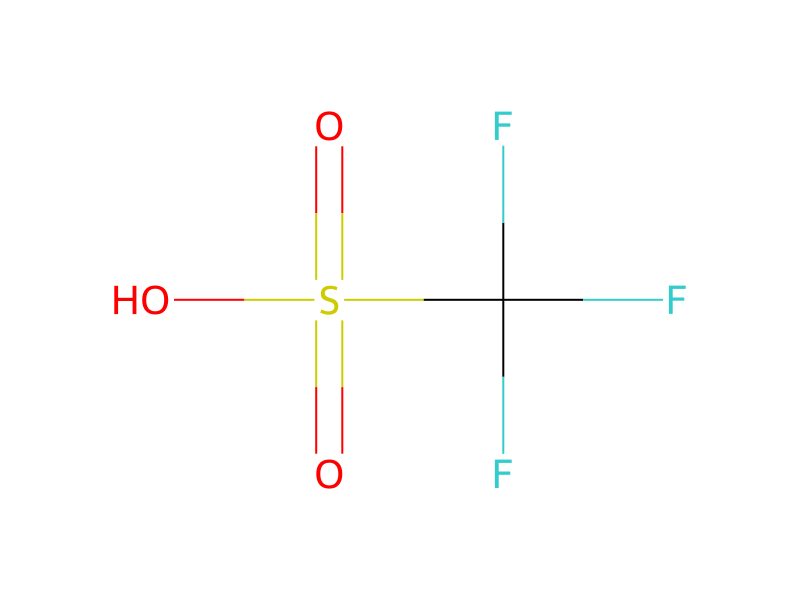
[CH2:1]=[CH:2][C:3]1[CH:8]=[CH:7][CH:6]=[CH:5][CH:4]=1.OS(C(F)(F)F)(=O)=O.[CH:17]1[C:22]([OH:23])=[CH:21][CH:20]=[C:19]([CH3:24])[CH:18]=1>>[CH:1]([C:21]1[C:22]([OH:23])=[C:17]([CH:1]=[CH:2][C:3]2[CH:8]=[CH:7][CH:6]=[CH:5][CH:4]=2)[CH:18]=[C:19]([CH3:24])[CH:20]=1)=[CH:2][C:3]1[CH:8]=[CH:7][CH:6]=[CH:5][CH:4]=1Participants
4



Procedure
This example illustrates a reaction system comprising a single reactor for forming styrenated p-cresol. Example 9 was run in a manner similar to Example 8, with the exception that a single reactor was used for the 70° C. reaction and the 90° C. finishing reaction and clay addition were used. The styrene feed was fed over time periods ranging from 2.5 to 4 hours. The amount of triflic acid used ranged from 1.7 to 2.6 g. The molar ratio of styrene to p-cresol was maintained at 1.95. The composition of the resulting styrenated p-cresol composition, based on total GC area, was as follows:
Workup
- customExample 9 was run in a manner similar to Example 8, with the exception that a single reactor
- customwas used for the 70° C. reaction
- customthe 90° C.
- customreaction and clay addition
Sources & evidence
- ORD record
- ord-7dd26375517f46f880988706a11d9044
- Source dataset
- uspto-grants-2011_03
- Patent number
- US07902280B2
Reaction notes
Loading…