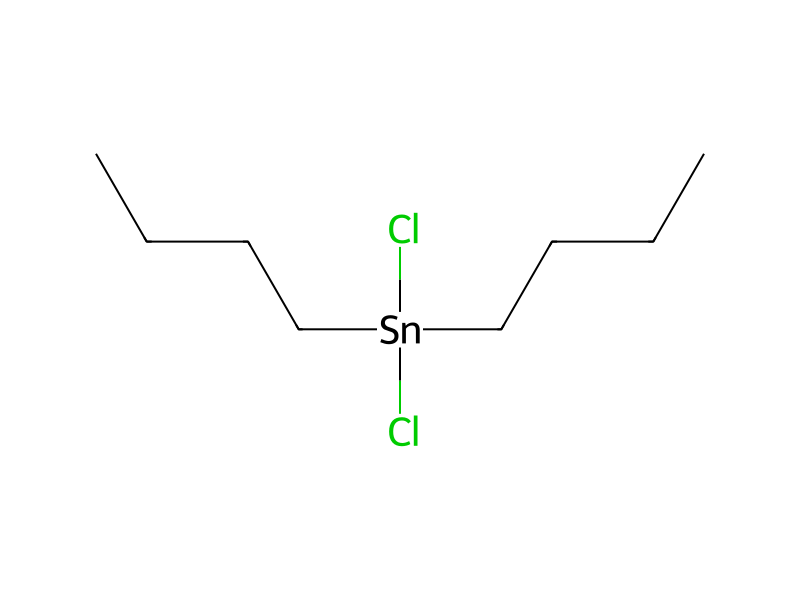
Dibutyltin dichloride → Methyl 4-{[methyl(pyridin-2-yl)amino]methyl}benzoate
Reaction equation

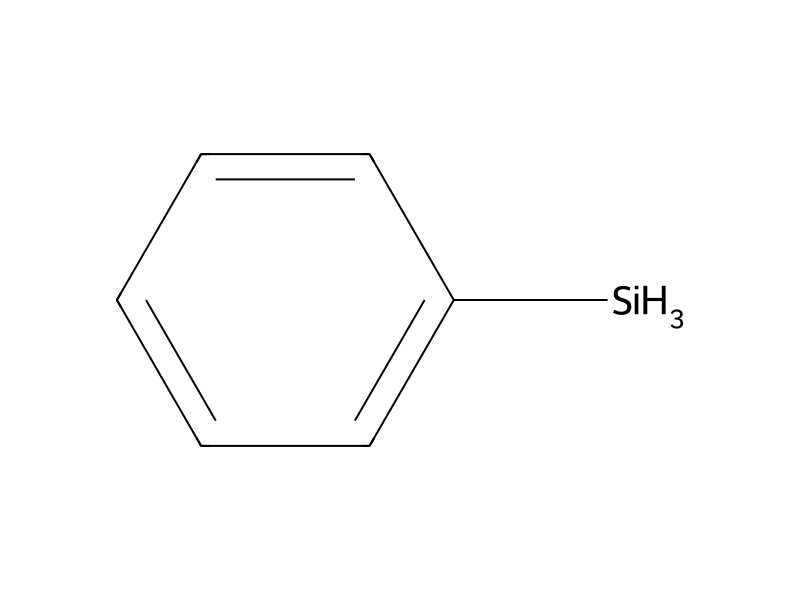
[CH3:1][NH:2][C:3]1[CH:8]=[CH:7][CH:6]=[CH:5][N:4]=1.[CH3:9][O:10][C:11](=[O:20])[C:12]1[CH:17]=[CH:16][C:15]([CH:18]=O)=[CH:14][CH:13]=1.C([Sn](Cl)(Cl)CCCC)CCC.C1([SiH3])C=CC=CC=1>C1COCC1>[CH3:1][N:2]([CH2:18][C:15]1[CH:16]=[CH:17][C:12]([C:11]([O:10][CH3:9])=[O:20])=[CH:13][CH:14]=1)[C:3]1[CH:8]=[CH:7][CH:6]=[CH:5][N:4]=1Participants
6



Procedure
2-Methylaminopyridine (1.0 mmol) and methyl-4-formylbenzoate (1.0 mmol) were mixed in THF (2 mL) and dibutyltin dichloride (0.1 mmol) was added. After stirring at RT for 10 minutes, phenylsilane (1.1 mmol) was added and the reaction mixture allowed to stir at room temperature for a further 17 h. The reaction mixture was then concentrated by N2 stream and the residue purified by flash chromatography (silica gel, heptane:EtOAc) to give methyl 4-[methyl(pyridin-2-yl)amino]methylbenzoate: m/z=257 in MS ES+ as a yellow oil which was used directly in the subsequent step.
Workup
- stirringto stir at room temperature for a further 17 h
- concentrationThe reaction mixture was then concentrated by N2 stream
- customthe residue purified by flash chromatography (silica gel, heptane:EtOAc)
Sources & evidence
- ORD record
- ord-128f496b73e448d39effbc1e2baf9dd9
- Source dataset
- uspto-grants-2011_03
- Patent number
- US07915300B2
Reaction notes
Loading…