Boron trifluoride → Uridine
Reaction equation

O=CC[C@@H]([C@@H](CO)O)O.C[O:11][C@@H:12]1[C@H:16]([OH:17])[C@@H:15]([CH2:18][OH:19])[O:14][C@H:13]1[N:20]1[CH:27]=[CH:26][C:24](=[O:25])[NH:23][C:21]1=[O:22].C(Cl)(=O)C.C1(C)C=CC(C(Cl)=O)=CC=1.N1C=CC=CC=1.C([SiH](CC)CC)C.B(F)(F)F>C(O)C.CO>[C@@H:13]1([N:20]2[CH:27]=[CH:26][C:24](=[O:25])[NH:23][C:21]2=[O:22])[O:14][C@H:15]([CH2:18][OH:19])[C@@H:16]([OH:17])[C@H:12]1[OH:11]Participants





Procedure
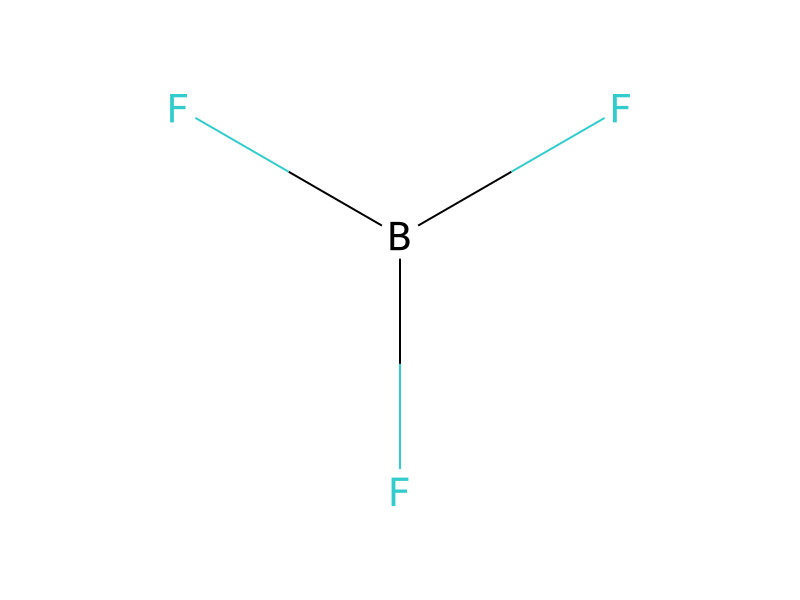
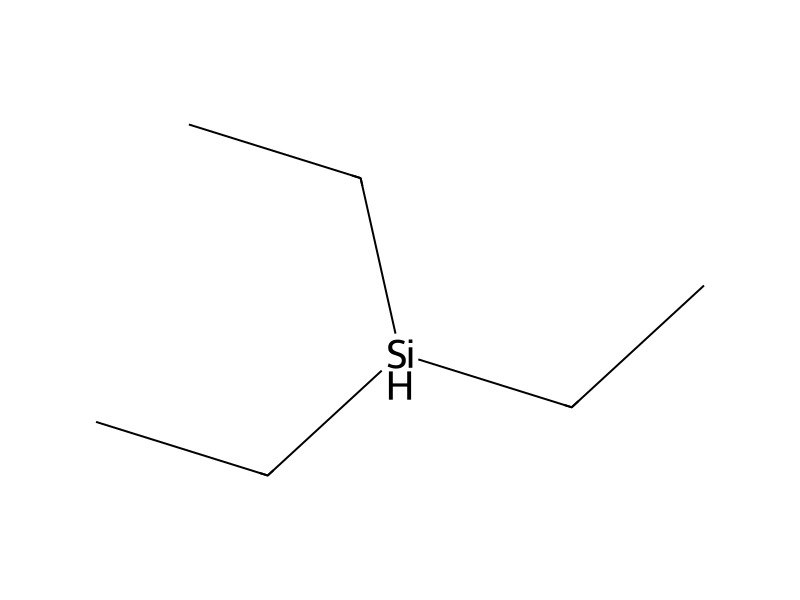
Referring to FIG. 17, commercially available 2-deoxyribose is converted to compound 1 in a two step process. In the first step, 2-deoxyribose is treated with a mixture of acetyl chloride and methanol. In the second step, the reaction mixture is treated with p-toluoyl chloride/pyridine mixture to yield 1. Compound 1 is incubated with a mixture of triethyl silane and boron trifluoride in ethanol to yield compound 2. Treatment of 4 with sodium methylate in methanol yield compound 3. Reacting 3 with t-butyl-diphenyl-silyl chloride in pyridine yields compound 4. The 3'-end of 4 is tritylated using 4,4'-dimethoxytrityl chloride in pyridine to yield compound 5. The 5'-protecting group in 5 can be removed using a mixture of triethylamine/hydrogen fluoride/DCM to yield 6.
Workup
- customto yield 1
Sources & evidence
- ORD record
- ord-e8797f5d9f0c431291b4abba57a54e69
- Source dataset
- uspto-grants-1999_12
- Patent number
- US05998203
Reaction notes
Loading…