Triethylamine → HCID 19599764, compound
Reaction equation

[CH2:1]([N:8]1[CH2:13][CH2:12][NH:11][CH2:10][CH2:9]1)[C:2]1[CH:7]=[CH:6][CH:5]=[CH:4][CH:3]=1.[F:14][C:15]1[CH:16]=[C:17]([CH2:21][C:22](O)=[O:23])[CH:18]=[CH:19][CH:20]=1.C(N(CC)CC)C.Cl.CN(C)CCCN=C=NCC>ClCCl>[CH2:1]([N:8]1[CH2:13][CH2:12][N:11]([C:22](=[O:23])[CH2:21][C:17]2[CH:18]=[CH:19][CH:20]=[C:15]([F:14])[CH:16]=2)[CH2:10][CH2:9]1)[C:2]1[CH:3]=[CH:4][CH:5]=[CH:6][CH:7]=1Participants


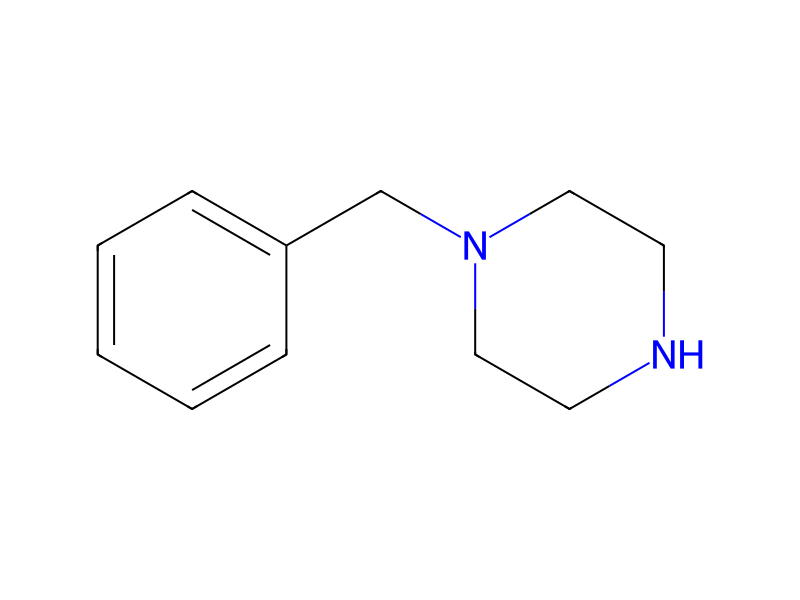



Procedure
1-Benzylpiperazine (8g, 45.4 mmol), 3-fluorophenyl acetic acid (7.7 g, 50 mmol), triethylamine (7 ml, 50.6 mmol) and 1-(3-dimethylaminopropyl)-3-ethylcarbodiimide hydrochloride (9.6 g, 50 mmol) were stirred together in dry dichloromethane (150 ml) for 24 hours. The volatiles were evaporated then the residue was partitioned between ethyl acetate (200 ml) and saturated aqueous sodium hydrogen carbonate. The organic layer was separated, washed with brine, dried then evaporated. The residue was purified by column chromatography on silica using 2% methanol in dichloromethane→10% methanol in dichloromethane. The title compound was obtained as a yellow oil (11.1 g, 77%). δ (250 MHz, CDCl3) 2.28 (2H, t, J=5 Hz), 2.42 (2H, t, J=5 Hz), 3.43 (2H, t, J=5 Hz), 3.44 (2H, s), 3.65 (2H, t, J=5 Hz), 3.71 (2H, s), 6.90-7.37 (9H, m).
Workup
- customThe volatiles were evaporated
- customthe residue was partitioned between ethyl acetate (200 ml) and saturated aqueous sodium hydrogen carbonate
- customThe organic layer was separated
- washwashed with brine
- customdried
- customthen evaporated
- customThe residue was purified by column chromatography on silica using 2% methanol in dichloromethane→10% methanol in dichloromethane
Sources & evidence
- ORD record
- ord-f819a41e7529447397125c1b0dfd9cfc
- Source dataset
- uspto-grants-1999_12
- Patent number
- US05998416
Reaction notes
Loading…