Triethylamine → 8-Amino-4-quinolinyl 2,6-dichlorobenzoate
Reaction equation

[NH2:1][C:2]1[CH:3]=[CH:4][CH:5]=[C:6]2[C:11]=1[N:10]=[CH:9][CH:8]=[C:7]2[OH:12].[Cl:13][C:14]1[CH:22]=[CH:21][CH:20]=[C:19]([Cl:23])[C:15]=1[C:16](Cl)=[O:17].C(N(CC)CC)C.CN(C1C=CC=CN=1)C>CC(N(C)C)=O.O>[NH2:1][C:2]1[CH:3]=[CH:4][CH:5]=[C:6]2[C:11]=1[N:10]=[CH:9][CH:8]=[C:7]2[O:12][C:16](=[O:17])[C:15]1[C:14]([Cl:13])=[CH:22][CH:21]=[CH:20][C:19]=1[Cl:23]Participants
7
Reactant 4

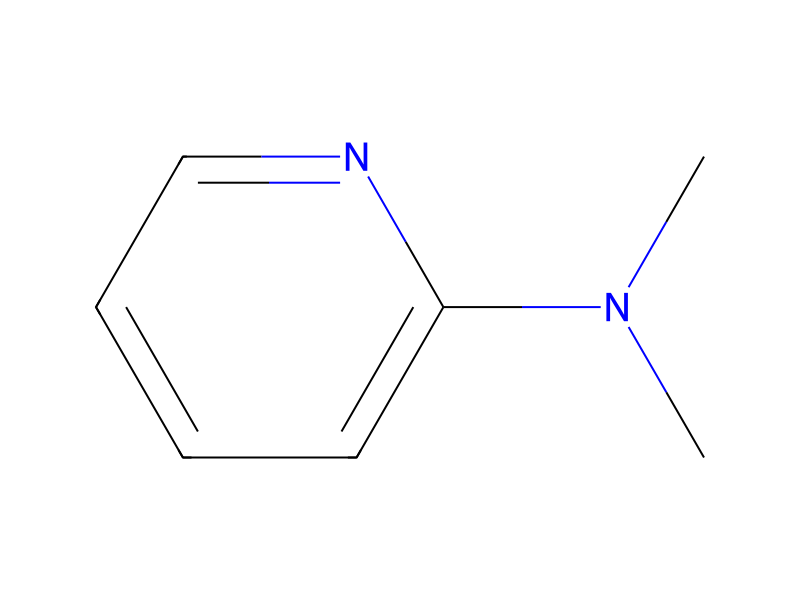


Product 1

Reagents, catalysts & solvents 2


Procedure
A mixture of 8-amino-4-hydroxyquinoline (300 mg), 2,6-dichlorobenzoyl chloride (432 mg), triethylamine (569 mg) and catalytic amount of dimethylaminopyridine in dimethylacetamide (3 ml) was stirred for 1 hour under ice-cooling. To the mixture was added water (3 ml) and the resulting precipitate was collected by filtration. The residue was suspended in hot ethanol (10 ml) with stirring. The resulting precipitate was collected by filtration, and the residue was purified by flash chromatography (ethyl acetate-dichloromethane) to give 8-amino-4-(2,6-dichlorobenzoyloxy)quinoline (240 mg).
Workup
- temperaturecooling
- filtrationthe resulting precipitate was collected by filtration
- stirringwith stirring
- filtrationThe resulting precipitate was collected by filtration
- customthe residue was purified by flash chromatography (ethyl acetate-dichloromethane)
Sources & evidence
- ORD record
- ord-1383859075d944eeb21e09d864153704
- Source dataset
- uspto-grants-1999_12
- Patent number
- US06008230
Reaction notes
Loading…