Hydrogen Cyanide → Phenylglyoxylonitrile
Reaction equation

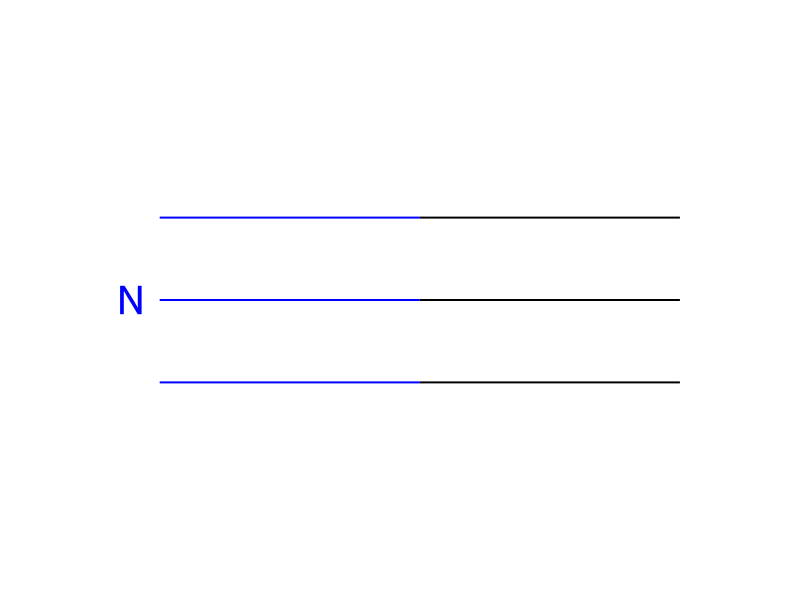
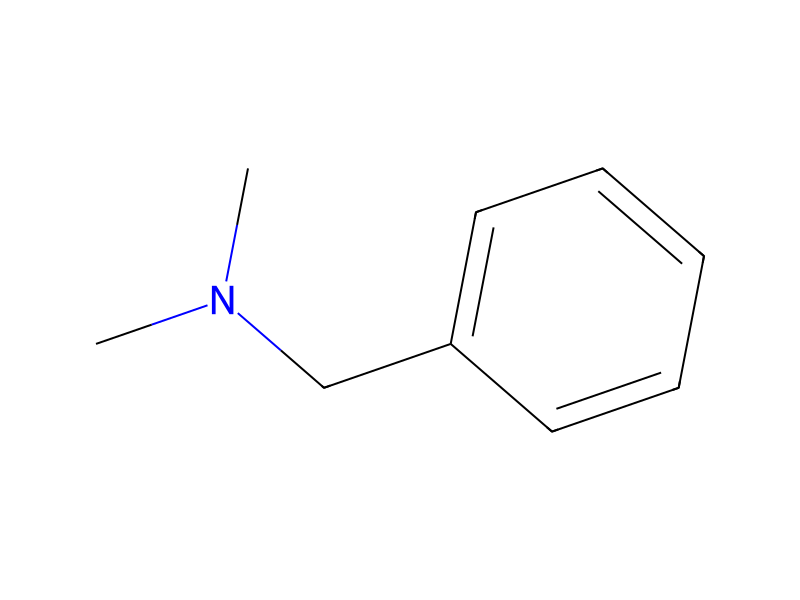
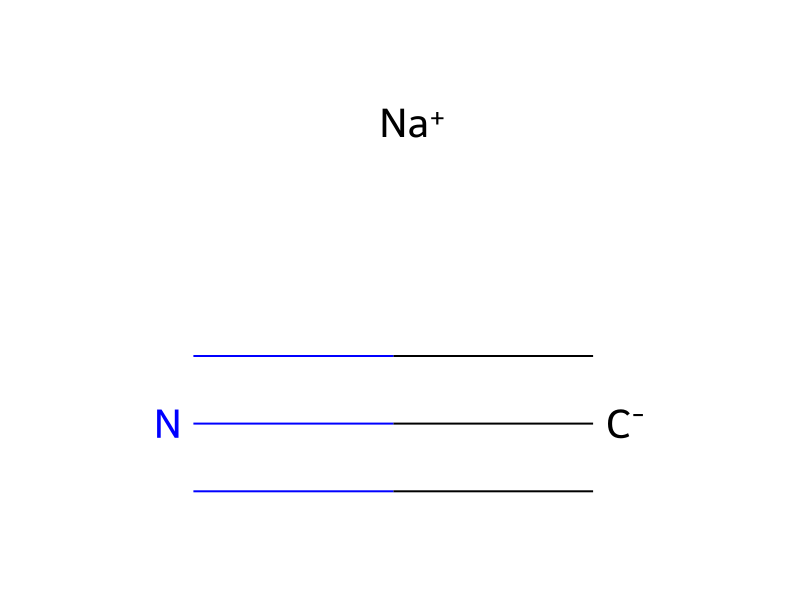
[C:1](Cl)(=[O:8])[C:2]1[CH:7]=[CH:6][CH:5]=[CH:4][CH:3]=1.C#N.[CH3:12][N:13](CC1C=CC=CC=1)C.[C-]#N.[Na+]>C(Cl)Cl.O>[C:1]([C:12]#[N:13])(=[O:8])[C:2]1[CH:7]=[CH:6][CH:5]=[CH:4][CH:3]=1Participants
Reactant 4

Product 1

Reagents, catalysts & solvents 2


Procedure
140.5 grams (1.0 mole) of benzoyl chloride were dissolved in 600 ml of methylene chloride. This solution was treated simultaneously with 27 grams (1.0 mole) of hydrogen cyanide and 1.83 grams (0.014 mole) of N,N-dimethyl benzyl amine. Then within 20 minutes there were fed in 171 grams of a 29.8 percent aqueous sodium cyanide solution (1.04 moles of sodium cyanide). The temperature of the reaction mixture meanwhile and for a further 2 hours was held at 15 to 35° C. Then there were added 60 grams of water and the phases separated. After removal of the hydrogen cyanide and the methylene chloride there were obtained by distillation 136 grams of crude, 91 percent benzoyl cyanide. In fractional distillation there were obtained 122 grams of pure benzoyl cyanide. This corresponds to a yield of 93% base on the benzoyl chloride employed.
Workup
- customthe phases separated
- customAfter removal of the hydrogen cyanide
Sources & evidence
- ORD record
- ord-6cab1d272ed541f5b440329fed0afbaa
- Source dataset
- uspto-grants-1979_03
- Patent number
- US04144269
Reaction notes
Loading…