Water → HCID 20429147, compound
Reaction equation

[Cl:1][C:2]1[C:7](=[O:8])[C:6](Cl)=[N:5][S:4][N:3]=1.O.[CH3:11][O:12][C:13]1[CH:14]=[C:15](O)[CH:16]=[C:17]([O:19][CH3:20])[CH:18]=1.[OH-].[Na+]>C(Cl)Cl.[Cl-].C([N+](CCCC)(CCCC)CCCC)CCC>[Cl:1][C:2]1[C:7](=[O:8])[C:6]([C:15]2[CH:14]=[C:13]([O:12][CH3:11])[CH:18]=[C:17]([O:19][CH3:20])[CH:16]=2)=[N:5][S:4][N:3]=1Participants
7






Procedure
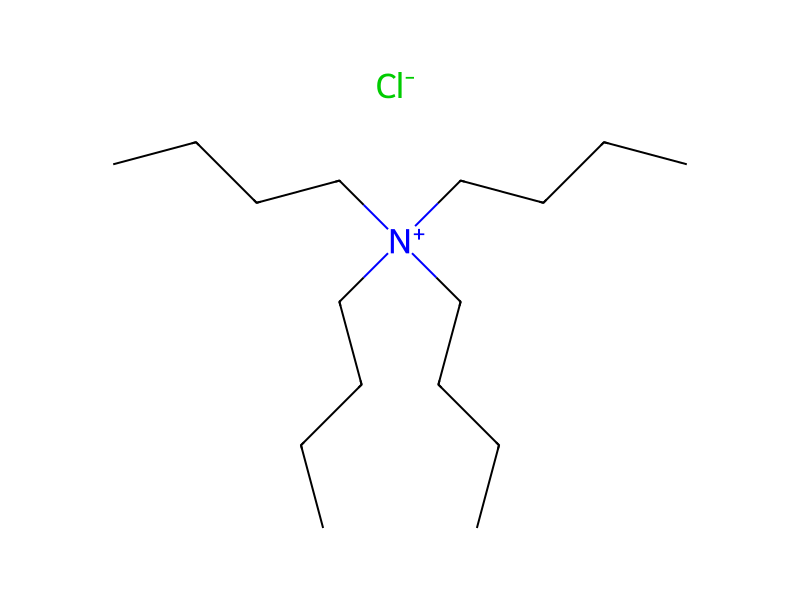
To a solution of 1.83 g of 3,5-dichloro-4H-1,2,6-thiadiazin-4-one in 50 ml CH2Cl2 is added a solution of 50 ml of water, 1.54 g of 3,5-dimethoxyphenol, 5 ml of 2N aqueous sodium hydroxide solution and 0.1 g of tetra-n-butylammonium chloride. The two phase mixture is stirred at room temperature for 3 hours. Then the layers are separated, and the organic layer is dried over magnesium sulfate and concentrated. The residue is recrystallized from alcohol to yield white crystals, mp 121°-124°.
Workup
- customThen the layers are separated
- dry with materialthe organic layer is dried over magnesium sulfate
- concentrationconcentrated
- customThe residue is recrystallized from alcohol
- customto yield white crystals, mp 121°-124°
Sources & evidence
- ORD record
- ord-03ed6dd17bcf4bc1b86094bbf6d598ff
- Source dataset
- uspto-grants-1985_02
- Patent number
- US04497807
Reaction notes
Loading…