5-Aminoisophthalic acid → Isophthalic Acid
Reaction equation

N[C:2]1[CH:3]=[C:4]([C:11]([OH:13])=[O:12])[CH:5]=[C:6]([CH:10]=1)[C:7]([OH:9])=[O:8]>C(=O)C1C(=CC=CC=1)O.C(N(CCCC)CCCC)CCC>[C:11]([OH:13])(=[O:12])[C:4]1[CH:3]=[CH:2][CH:10]=[C:6]([C:7]([OH:9])=[O:8])[CH:5]=1Participants
4
Reactant 1

Product 1

Reagents, catalysts & solvents 2
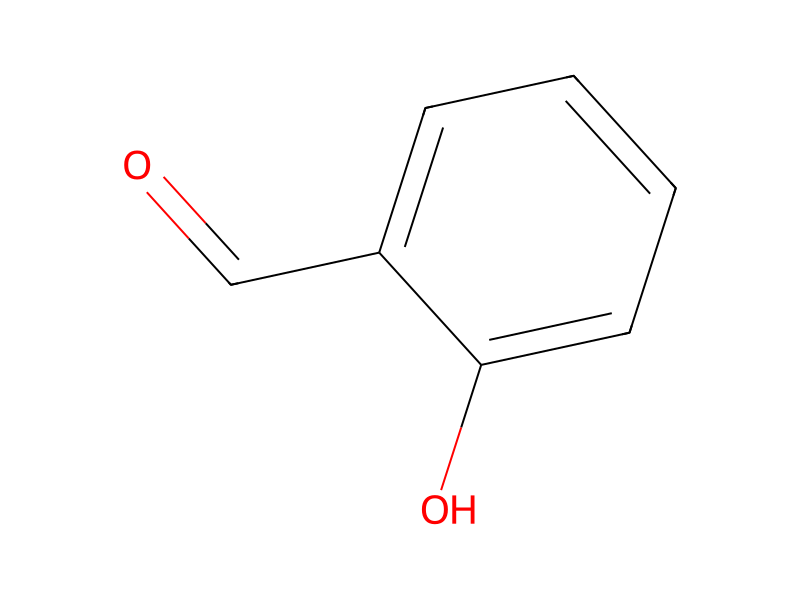

Procedure
53 g (0.32 mol) of isophthalic acid, 53 g (0.27 mol) of trimellitic anhydride, 3 g (0.01 mol) of an azomethine obtained by reaction of 5-amino-isophthalic acid with salicylaldehyde, 0.85 g of tributylamine as catalyst, 196 g (0.7 mol) of 3.3'-dimethyl-4,4'-di-isocyanato-diphenylmethane and 700 g of N-methylprrolidone are stirred for 6 hours at 80° C. Subsequently, 43 g (0.1 mol) of 4,4'-bis-(ethoxalylamino)-diphenylmethane are stirred into the above mixture. The temperature is then raised to 195°C, and agitation is continued for a further 6 hours at this temperature. The fluorocarbon wax suspension as described in Example 2 is added to the trion resin solution so obtained in the same weight ratio.
Sources & evidence
- ORD record
- ord-401b7082671f4f43861abe4678ee0689
- Source dataset
- uspto-grants-1978_02
- Patent number
- US04074007
Reaction notes
Loading…