Lactic Acid → Hydroxyacetic acid--2-hydroxypropanoic acid (1/1)
Reaction equation

[C:1]([OH:6])(=[O:5])[CH:2]([CH3:4])[OH:3].[C:7]([OH:11])(=[O:10])[CH2:8][OH:9].[Si]([O-])([O-])([O-])[O-].[Al+3].[Si]([O-])([O-])([O-])[O-].[Si]([O-])([O-])([O-])[O-].[Al+3].[Al+3].[Al+3]>>[C:1]([OH:6])(=[O:5])[CH:2]([CH3:4])[OH:3].[C:7]([OH:11])(=[O:10])[CH2:8][OH:9]Participants
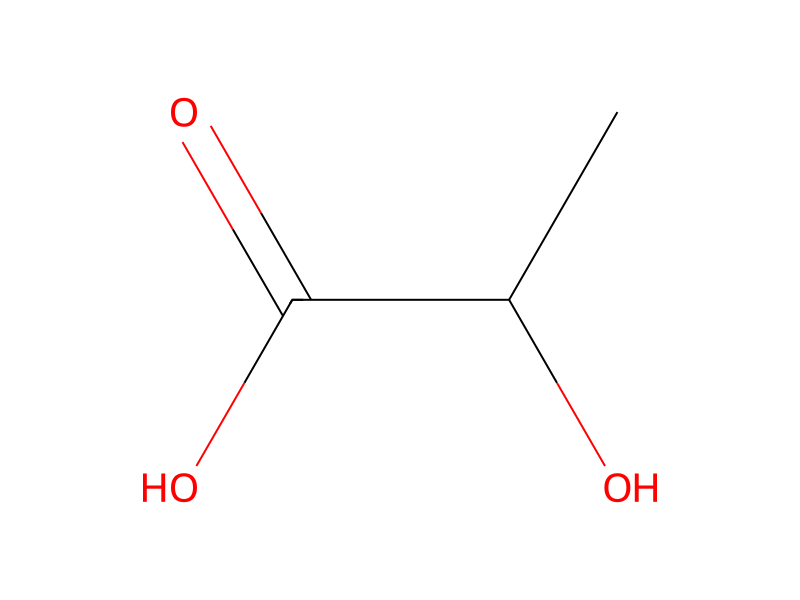
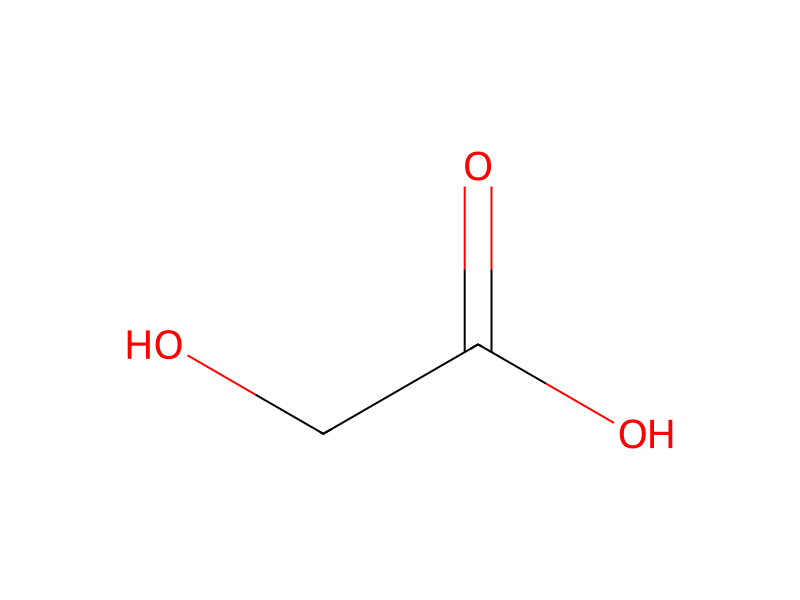


Conditions
- Temperature
- 120 °C
Procedure
The lactic acid oligomer obtained in Example 20 (18.0 g) and 2.1 g of 100% glycolic acid were put in a reaction vessel equipped with a stirrer and a nitrogen-introducing tube. After substitution of nitrogen gas was carried out three times, the materials were molten by raising the temperature by 10° C. perminute up to 120° C. in a stream of nitrogen, followed by addition of 2.1 g of commercially available synthetic aluminum silicate containing 17% aluminum oxide. Then the temperature was raised to 200° C., and the pressure was reduced gradually to 20 mmHg over 30 minutes, followed by stirring at 210±10° C. for 3 hours. After the pressure was reduced gradually to 1 mmHg over 30 minutes, the mixture was stirred at 210±10° C. for 19 hours to give copolymer in the molten state. The product was cooled to room temperature to give 9.8 g of lactic acid-glycolic acid copolymer as a dark brown solid.
Workup
- customequipped with a stirrer
- additiona nitrogen-introducing tube
- temperatureThen the temperature was raised to 200° C.
- waitAfter the pressure was reduced gradually to 1 mmHg over 30 minutes
- stirringthe mixture was stirred at 210±10° C. for 19 hours
- customto give copolymer in the molten state
- temperatureThe product was cooled to room temperature
Sources & evidence
- ORD record
- ord-e4931e7176ec408f86da12a86b5e0d92
- Source dataset
- uspto-grants-1999_09
- Patent number
- US05952455
Reaction notes
Loading…