Acetic Acid → Terephthalic Acid
Reaction equation

ON1[C:6](=[O:7])[C:5]2=[CH:8][CH:9]=[CH:10][CH:11]=[C:4]2[C:3]1=O.[C:13]([OH:16])(=[O:15])[CH3:14].[O:17]=O>CC1C=CC(C)=CC=1>[C:6]([OH:7])(=[O:17])[C:5]1[CH:4]=[CH:11][C:10]([C:13]([OH:16])=[O:15])=[CH:9][CH:8]=1.[CH3:3][C:4]1[CH:5]=[CH:6][C:14]([C:13]([OH:16])=[O:15])=[CH:10][CH:11]=1Participants
6
Reactant 3


Product 2

Reagents, catalysts & solvents 1

Procedure
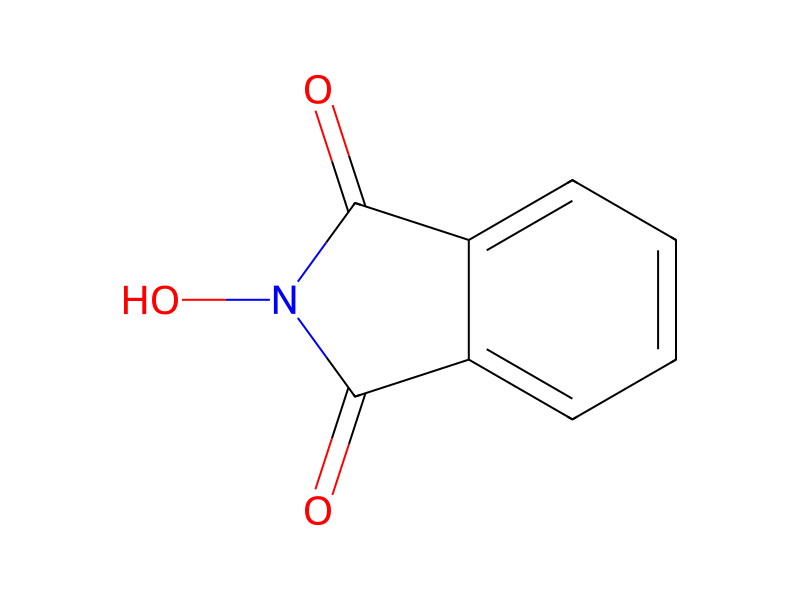
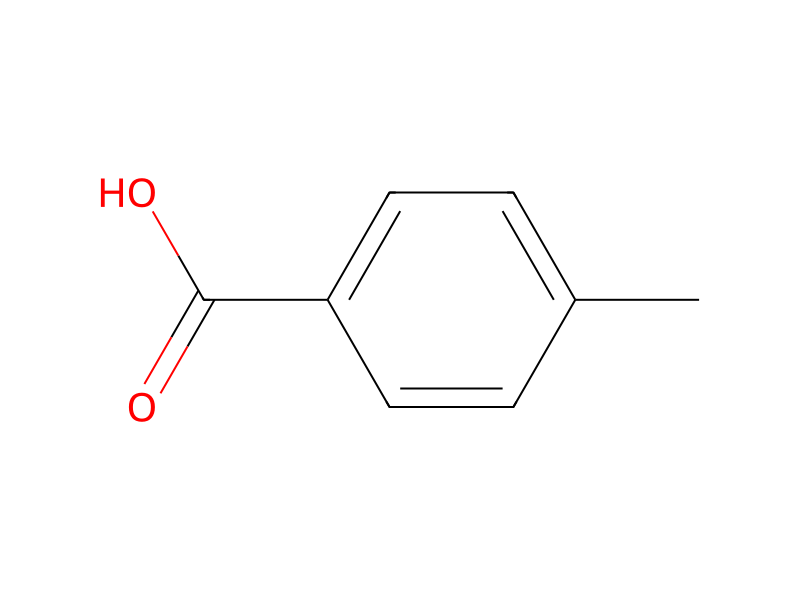
A mixture of 1.06 grams (10 millimoles) of p-xylene, 0.32 gram (2 millimoles) of N-hydroxyphthalimide, 0.018 gram (0.05 millimole) of acetylacetonatocobalt(III) Co(AA)3 and 25 milliliters of acetic acid was stirred in an oxygen atmosphere at a temperature of 100° C. for 12 hours. As a result, p-xylene was transformed into terephthalic acid (yield 71%) and p-methylbenzoic acid (yield 24%) with a transformation rate of 99%.
Sources & evidence
- ORD record
- ord-377fecac38b64fa8a942ef48488c62b2
- Source dataset
- uspto-grants-1999_09
- Patent number
- US05958821
Reaction notes
Loading…