Potassium Iodide → 1-(3-Bromopropoxy)-3-nitrobenzene
Reaction equation

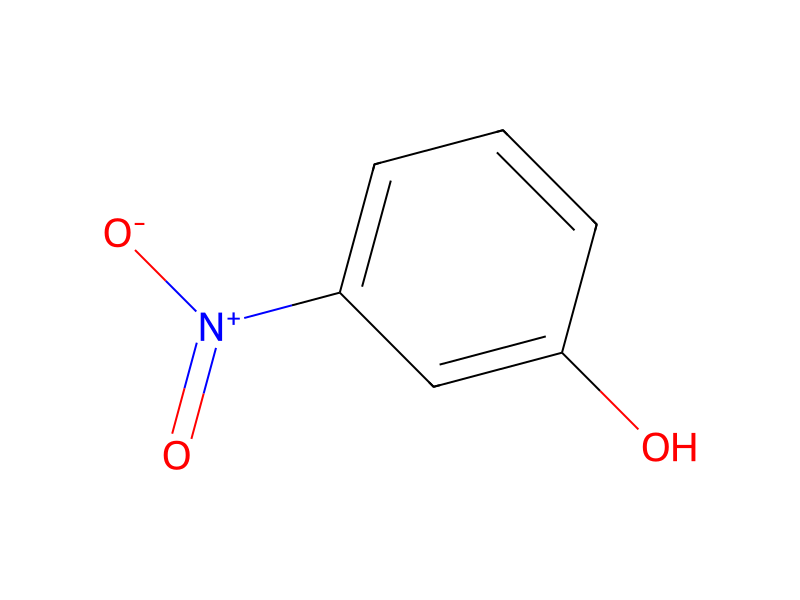
[Br:1][CH2:2][CH2:3][CH2:4]Br.C(=O)([O-])[O-].[K+].[K+].[I-].[K+].[N+:14]([C:17]1[CH:18]=[C:19]([OH:23])[CH:20]=[CH:21][CH:22]=1)([O-:16])=[O:15]>CC(C)=O>[Br:1][CH2:2][CH2:3][CH2:4][O:23][C:19]1[CH:18]=[C:17]([N+:14]([O-:16])=[O:15])[CH:22]=[CH:21][CH:20]=1Participants
6
Reactant 4



Product 1

Reagents, catalysts & solvents 1

Procedure
43 ml of 1,3-dibromopropane are added to a suspension of 29 g of potassium carbonate and 0.5 g of potassium iodide in 170 ml of acetone and the mixture is refluxed. A solution of 19.4 g of 3-nitrophenol is then added dropwise in the course of 2 hours and the mixture is refluxed for a further 15 hours. The reaction mixture is filtered hot and evaporated. Chromatography of the residue on silica gel with toluene gives 3-(3-bromopropoxy)-nitrobenzene as a pale yellow oil.
Workup
- temperaturethe mixture is refluxed
- temperaturethe mixture is refluxed for a further 15 hours
- filtrationThe reaction mixture is filtered hot
- customevaporated
Sources & evidence
- ORD record
- ord-d4dd1b7ec91e4fc7a40f48e68558115e
- Source dataset
- uspto-grants-1989_04
- Patent number
- US04820726
Reaction notes
Loading…