Water → HCID 13206628, compound
Reaction equation

C(N(CC)CC)C.Cl.[NH:9]=[C:10]1[CH:15]=[CH:14][N:13]([C:16]2[CH:21]=[CH:20][CH:19]=[CH:18][CH:17]=2)[N:12]=[CH:11]1.[C:22](Cl)(=[O:26])[CH:23]([CH3:25])[CH3:24].O>C(Cl)Cl>[C:22]([N:9]=[C:10]1[CH:15]=[CH:14][N:13]([C:16]2[CH:17]=[CH:18][CH:19]=[CH:20][CH:21]=2)[N:12]=[CH:11]1)(=[O:26])[CH:23]([CH3:25])[CH3:24]Participants
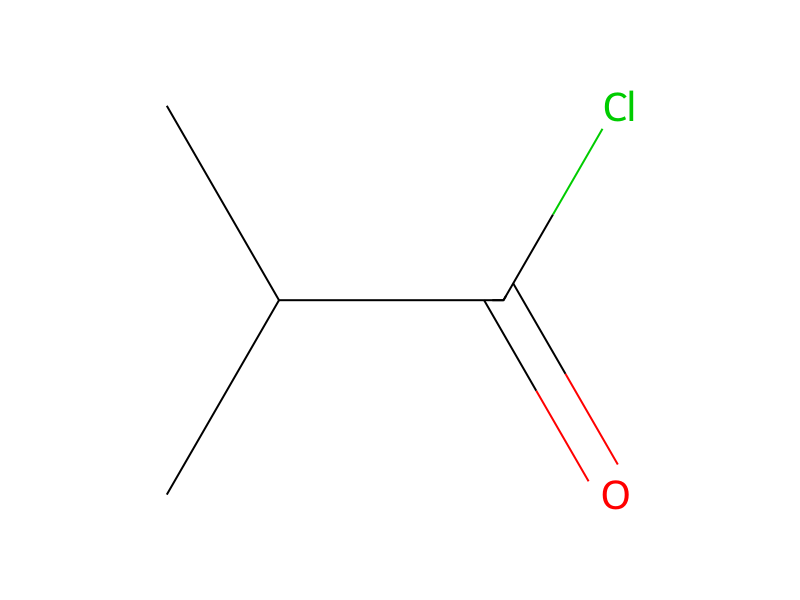
Reactant 4



Product 1

Reagents, catalysts & solvents 1

Procedure
11.5 g (114 millimoles) of triethylamine were added dropwise to 9.3 g (44.8 millimoles) of 1,4-dihydro-4-imino-1-phenylpyridazine hydrochloride and 5.3 g (49.7 millimoles) of isobutyryl chloride in 50 ml of methylene chloride at room temperature, while stirring. After the addition was complete, stirring was continued for 4 hours at room temperature, after which water was added to the reaction mixture. The organic phase was separated off and mixed thoroughly with dilute hydrochloric acid (100 ml of water and 20 ml of concentrated hydrochloric acid). The methylene chloride phase was discarded, and the aqueous layer was brought to pH 10 with sodium hydroxide solution. The resulting solid substance was filtered off under suction, washed with water, dried and recrystallized from toluene/hexane. 5.1 g (47% of theory) of 1,4-dihydro-4-isobutyrylimino-1-phenylpyridazine were isolated as yellowish beige crystals of melting point 138° C.
Workup
- additionAfter the addition
- stirringstirring
- customThe organic phase was separated off
- additionmixed thoroughly with dilute hydrochloric acid (100 ml of water and 20 ml of concentrated hydrochloric acid)
- filtrationThe resulting solid substance was filtered off under suction
- washwashed with water
- customdried
- customrecrystallized from toluene/hexane
Sources & evidence
- ORD record
- ord-be5965d6725b4946b3319dc142cf9436
- Source dataset
- uspto-grants-1989_04
- Patent number
- US04820821
Reaction notes
Loading…