Urea → Triphenylurea
Reaction equation

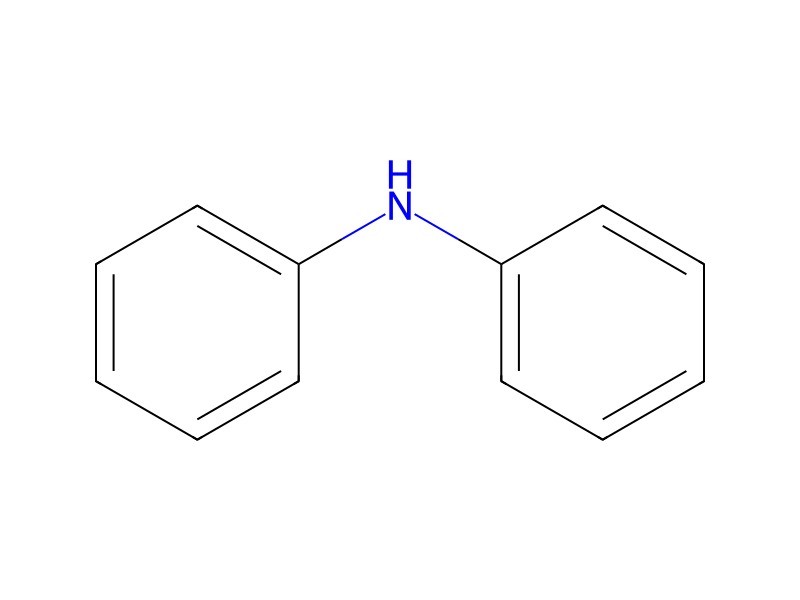
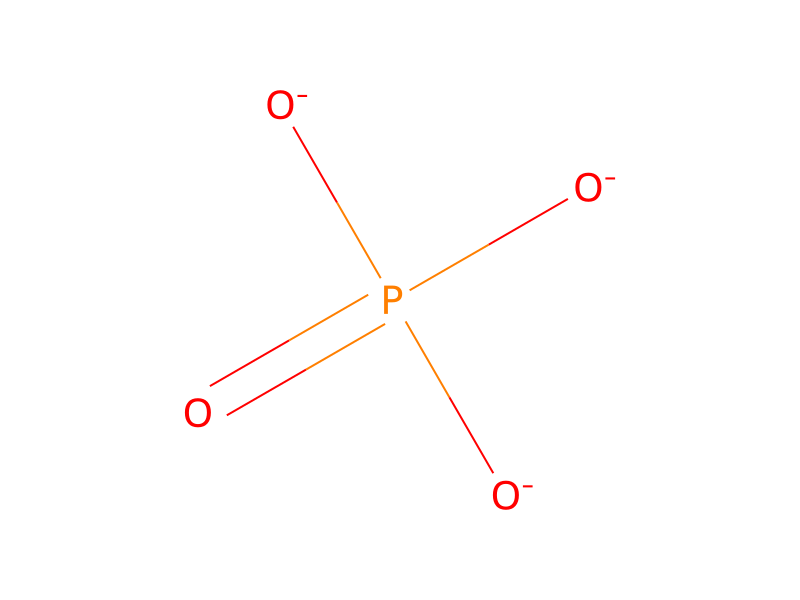
[C:1]1([NH:7][C:8]2[CH:13]=[CH:12][CH:11]=[CH:10][CH:9]=2)[CH:6]=[CH:5][CH:4]=[CH:3][CH:2]=1.[C:14]1([N:20]=[C:21]=[O:22])[CH:19]=[CH:18][CH:17]=[CH:16][CH:15]=1.NC(N)=O>C1(C)C=CC=CC=1.P([O-])([O-])([O-])=O>[C:14]1([NH:20][C:21]([N:7]([C:1]2[CH:2]=[CH:3][CH:4]=[CH:5][CH:6]=2)[C:8]2[CH:9]=[CH:10][CH:11]=[CH:12][CH:13]=2)=[O:22])[CH:19]=[CH:18][CH:17]=[CH:16][CH:15]=1Participants
6
Reactant 3


Product 1

Reagents, catalysts & solvents 2

Conditions
- Temperature
- 100 °C
Procedure
0,5 mole of diphenylamine was taken together with 0.53 mole of phenyl isocyanate and 0.6 g of di-n-butl phosphate in 150 ml of toluene. The mixture was heated at 100° C. for 24 hours, with stirring, and then cooled to room temperature. At about 30° C., the urea started to crystallize out. After filtering off, washing with 150 ml of cold toluene and drying, 0.41 mole of N-phenyl-N',N'-diphenylurea was obtained. Melting point: 131° C./yield: 82% of theory.
Workup
- temperaturecooled to room temperature
- customAt about 30° C.
- customto crystallize out
- filtrationAfter filtering off
- washwashing with 150 ml of cold toluene
- customdrying
Sources & evidence
- ORD record
- ord-05377efcb93f490a957ed4883c7527c7
- Source dataset
- uspto-grants-1989_04
- Patent number
- US04820871
Reaction notes
Loading…