Acetonitrile → HCID 86742014, compound
Reaction equation

[OH:1][C:2]1[CH:7]=[CH:6][CH:5]=[CH:4][C:3]=1[C:8]1[C:9]2[S:16][CH:15]=[CH:14][C:10]=2[N:11]([CH3:13])[N:12]=1.C(C1[O:21][CH2:20]1)Br.C(=O)([O-])[O-].[K+].[K+].C(#N)C>CN(C)C=O.CCCCCC.C(OCC)(=O)C>[O:1]1[C:7]2[C:2]1=[C:3]([C:8]1[C:9]3[S:16][CH:15]=[CH:14][C:10]=3[N:11]([CH3:13])[N:12]=1)[CH:4]=[CH:5][C:6]=2[O:21][CH3:20]Participants
7






Procedure
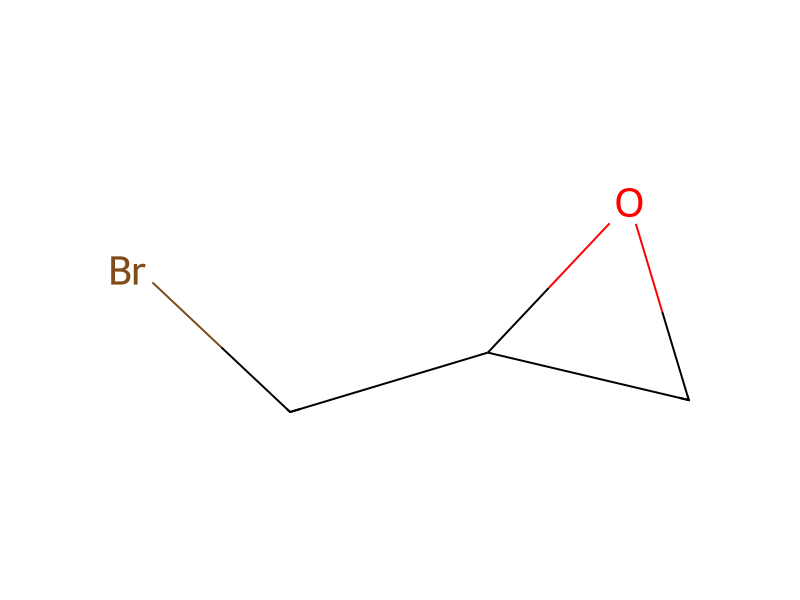
A mixture of 14 g of 3-(2-hydroxyphenyl)-1-methyl-1H-thieno[3,2-c]pyrazole, 10 g of epibromohydrin, 5 g of potassium carbonate and 75 ml of acetonitrile was stirred under nitrogen at 70°-80° C. After 16 hours of stirring, thin layer chromatography (1:1 hexane/ethyl acetate) showed residual starting material. Therefore, 2 g of epibromohydrin and 10 ml of dimethylformamide were added and the mixture was stirred overnight at 92° C., and thereafter quenched, extracted with ether/ethyl acetate (1:1), washed and dried (over anhydrous magnesium sulfate). The epoxide was separated from other by-products using HPLC (eluent=DCM).
Workup
- stirringAfter 16 hours of stirring
- stirringthe mixture was stirred overnight at 92° C.
- customquenched
- extractionextracted with ether/ethyl acetate (1:1)
- washwashed
- dry with materialdried (over anhydrous magnesium sulfate)
- customThe epoxide was separated from other by-products
Sources & evidence
- ORD record
- ord-e1cfba41f49f41a5a617bffeea978a54
- Source dataset
- uspto-grants-1988_09
- Patent number
- US04769472
Reaction notes
Loading…