Dichloromethane → 6-Bromo-2,4-dichloro-3-phenylquinoline
Reaction equation

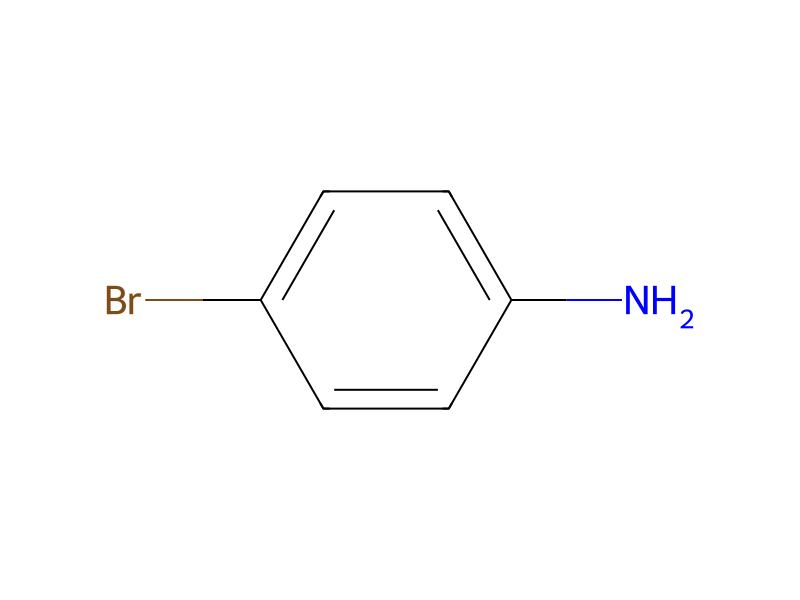
[Br:1][C:2]1[CH:8]=[CH:7][C:5]([NH2:6])=[CH:4][CH:3]=1.[C:9]1([CH:15]([C:19](O)=O)C(O)=O)[CH:14]=[CH:13][CH:12]=[CH:11][CH:10]=1.P(Cl)(Cl)([Cl:24])=O.[CH2:27]([Cl:29])Cl>>[Br:1][C:2]1[CH:8]=[C:7]2[C:5](=[CH:4][CH:3]=1)[N:6]=[C:19]([Cl:24])[C:15]([C:9]1[CH:14]=[CH:13][CH:12]=[CH:11][CH:10]=1)=[C:27]2[Cl:29]Participants




Conditions
- Temperature
- 90 °C
Procedure
A mixture of 4-bromoaniline (10.0 g, 58.1 mmol), 2-phenylmalonic acid (11.0 g, 61.0 mmol), and phosphorus oxychloride (54.0 mL, 581 mmol) was heated in a 90° C. oil bath for 20 hours. The mixture was allowed to cool to room temperature and was diluted with CH2Cl2 in a large beaker (ca. 200 mL final volume). Ice (ca. 100 mL) was added and the mixture was stirred while monitoring the internal temperature; an ice bath was used to cool the mixture when the internal temperature reached 35° C. When the temperature of the mixture fell, the phases were separated and the aqueous phase was extracted once with CH2Cl2. The organic extract was concentrated onto silica gel and the title compound was isolated by flash column chromatography (silica gel, 20-55% CH2Cl2-heptane).
Workup
- temperatureto cool to room temperature
- customan ice bath was used
- temperatureto cool the mixture when the internal temperature
- customreached 35° C
- customthe phases were separated
- extractionthe aqueous phase was extracted once with CH2Cl2
- extractionThe organic extract
- concentrationwas concentrated onto silica gel
Sources & evidence
- ORD record
- ord-9039603a603c4c5aa845eb713d5ec85a
- Source dataset
- uspto-grants-2016_04
- Patent number
- US09309222B2
Reaction notes
Loading…