Phosphorus oxychloride → HCID 71743137, compound
Reaction equation

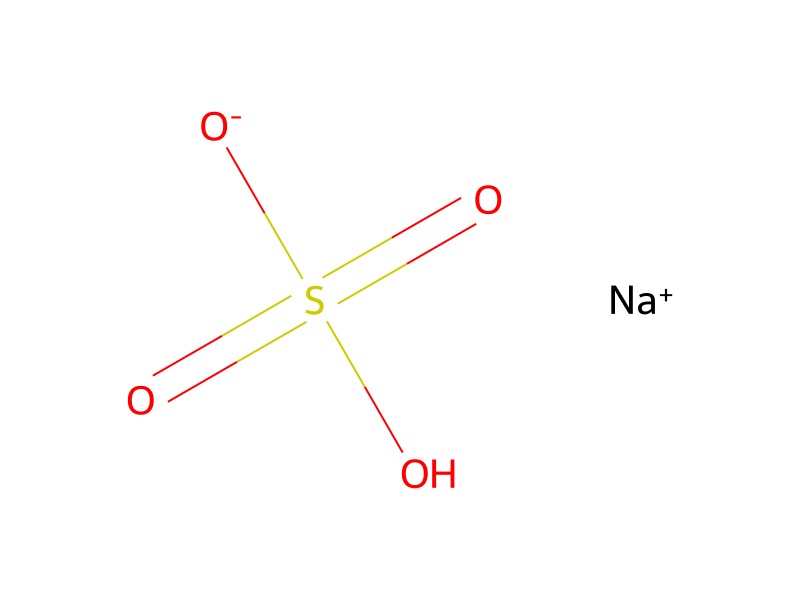
O[C:2]1[C:7]([NH:8][C:9](=[O:20])[C:10]2[CH:15]=[C:14]([CH3:16])[C:13]([O:17][CH3:18])=[C:12]([CH3:19])[CH:11]=2)=[C:6](O)[N:5]=[C:4]([S:22][CH3:23])[N:3]=1.S(=O)(=O)(O)[O-].[Na+].P(Cl)(Cl)([Cl:32])=O>>[Cl:32][C:2]1[C:7]2[N:8]=[C:9]([C:10]3[CH:15]=[C:14]([CH3:16])[C:13]([O:17][CH3:18])=[C:12]([CH3:19])[CH:11]=3)[O:20][C:6]=2[N:5]=[C:4]([S:22][CH3:23])[N:3]=1Participants
4



Conditions
- Temperature
- 70 °C
Procedure
At room temperature, 45.95 g of N-(4,6-dihydroxy-2-methylsulfanylpyrimidin-5-yl)-4-methoxy-3,5-dimethylbenzamide were suspended with stirring in 125 ml of phosphorus oxychloride, and the mixture was heated at 70° C. for 36 hours. After cooling, the reaction mixture was sucked through a glass frit, giving a yellow solid which was introduced with stirring into a saturated aqueous sodium bisulfate solution and stirred for 10 min. The solid was then filtered off with suction, washed until neutral and dried. This gave 10.47 g (22%) of the title compound, which was reacted further without any further purification.
Workup
- customAt room temperature
- temperatureAfter cooling
- customgiving a yellow solid which
- additionwas introduced
- filtrationThe solid was then filtered off with suction
- washwashed until neutral and
- customdried
- customThis gave 10.47 g (22%) of the title compound, which was reacted further without any further purification
Sources & evidence
- ORD record
- ord-4d4e6f7453094fb29e3fd843d33eab93
- Source dataset
- uspto-grants-2016_04
- Patent number
- US09321787B2
Reaction notes
Loading…