Acrylic Acid → N,N'-Dicyclohexylurea
Reaction equation

[CH:1]1([N:7]=[C:8]=[N:9][CH:10]2[CH2:15][CH2:14][CH2:13][CH2:12][CH2:11]2)[CH2:6][CH2:5][CH2:4][CH2:3][CH2:2]1.C(O)(=[O:19])C=C.C1(CO)C2C(=CC3C(C=2)=CC=CC=3)C=CC=1>CN(C1C=CC=CN=1)C.CN(C1C=CN=CC=1)C.O1CCCC1>[C:8]([NH:7][CH:1]1[CH2:2][CH2:3][CH2:4][CH2:5][CH2:6]1)([NH:9][CH:10]1[CH2:15][CH2:14][CH2:13][CH2:12][CH2:11]1)=[O:19]Participants





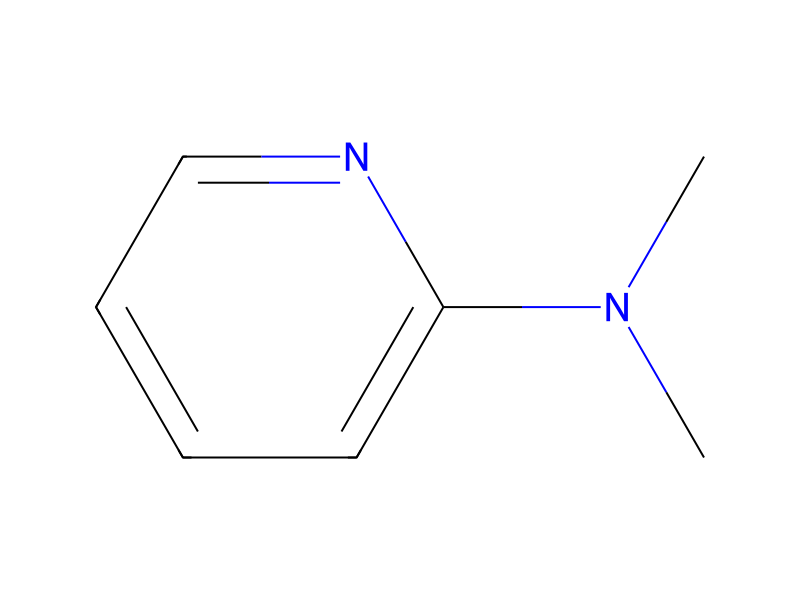

Procedure
The adhesive was converted to a switchable adhesive. The method used for esterification of the carboxylic acid groups pendant to the prepolymer chain employed a dehydrating agent, dicyclohexylcarbodiimide (DCC). This was used in conjunction with a dimethylaminopyridine catalyst with the reaction proceeding at room temperature. The following general procedure was initially used for the esterification reaction. For Example 9a), 6.09 g of base PSA (containing 0.0068 moles acrylic acid) was placed in a dry jar along with 1.41 g of anthracenemethanol (0.0068 moles), 1.39 g DCC (0.0068 moles) and 0.33 g DMAP (0.00027 moles). Approximately 100 ml of anhydrous tetrahydrofuran (THF) was added to the reaction mixture which was left stirring overnight (˜24 hours). A precipitate was formed as a by-product of the esterification (dicyclohexylurea, DHU) which was insoluble in THF and was therefore filtered from the PSA solution. A viscous yellow liquid was produced which was then spread thinly onto Melinex for UV irradiation.
Workup
- customproceeding at room temperature
- customThe following general procedure was initially used for the esterification reaction
- waitwas left
Sources & evidence
- ORD record
- ord-f460179d8aa44be7a93a6d868ed0f549
- Source dataset
- uspto-grants-2001_02
- Patent number
- US06184264B2
Reaction notes
Loading…