Methane → 6-(3,4-Dichlorophenoxy)-3-(ethylthio)-2-pyridinecarbonitrile
Reaction equation

CC([O-])(C)C.[K+].[Cl:7][C:8]1[CH:9]=[C:10]([OH:15])[CH:11]=[CH:12][C:13]=1[Cl:14].Cl[C:17]1[N:22]=[C:21]([C:23]#[N:24])[C:20]([S:25][CH2:26][CH3:27])=[CH:19][CH:18]=1.C>C(Cl)Cl.CS(C)=O.C1COCC1>[Cl:7][C:8]1[CH:9]=[C:10]([CH:11]=[CH:12][C:13]=1[Cl:14])[O:15][C:17]1[N:22]=[C:21]([C:23]#[N:24])[C:20]([S:25][CH2:26][CH3:27])=[CH:19][CH:18]=1Participants
Reactant 4
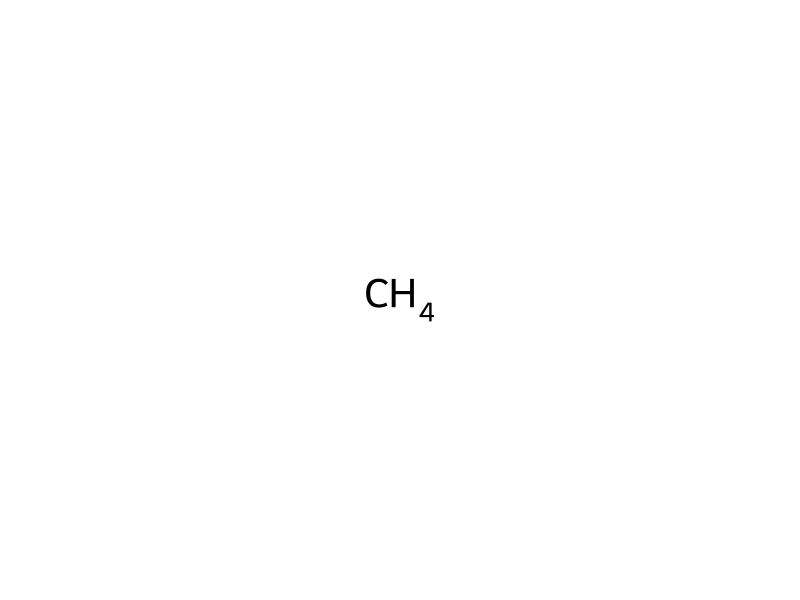



Product 1

Reagents, catalysts & solvents 3



Procedure
In a reaction flask were placed 110 ml of THF, 10 ml of DMSO and 5.6 g of t-BuOK. 3,4-Dichlorophenol (8.2 g) was added and the mixture was stirred until solution was achieved. To this was added 9.9 g of 6-chloro-3-ethylthio-2-pyridinecarbonitrile and the reaction mixture was heated at reflux temperature for about 5 hours. After cooling, the contents of the flask were poured onto 500 g of ice, stirred until the ice had melted and then filtered. The solid obtained by filtration was dissolved in CH2Cl2, treated with charcoal, dried and was concentrated. Upon dilution with hexane, 12.6 g (77.5%) of 6-(3,4-dichlorophenoxy)-3-ethylthio-2-pyridinecarbonitrile was obtained as a tan crystalline material, m.p. 64°-66° C. Subsequent analysis by differential scanning calorimetry indicated that the compound obtained was polymorphic and existed in two crystalline forms: one melting at 66°-69° C., and the other at 81°-87° C.
Workup
- customIn a reaction flask were placed
- temperaturethe reaction mixture was heated
- temperatureat reflux temperature for about 5 hours
- temperatureAfter cooling
- filtrationfiltered
- customThe solid obtained by filtration
- customdried
- concentrationwas concentrated
Sources & evidence
- ORD record
- ord-0893e6bcaf884e55a9488db61fc11f61
- Source dataset
- uspto-grants-1985_12
- Patent number
- US04558134
Reaction notes
Loading…