Lithium Hydroxide → (2-Chloro-6-dimethylaminomethyl-naphthalen-1-yl)-acetic acid
Reaction equation

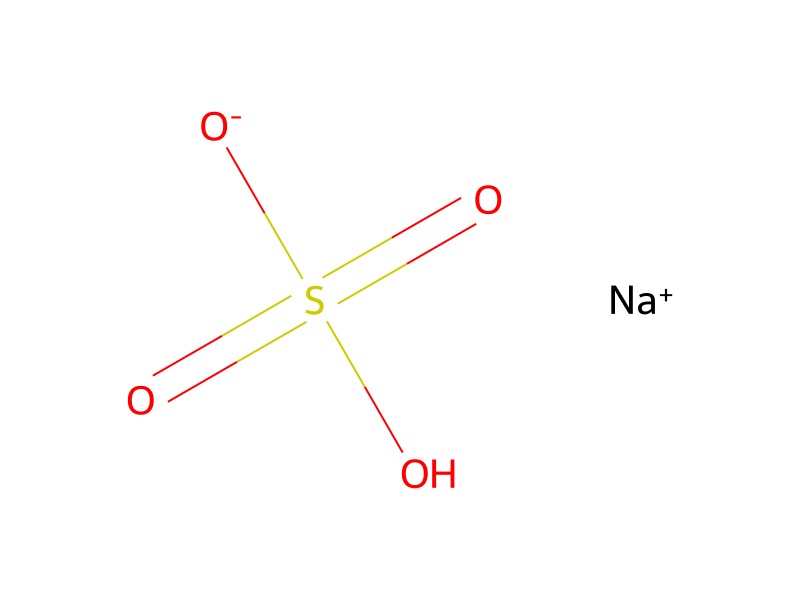
C([O:3][C:4](=[O:21])[CH2:5][C:6]1[C:15]2[C:10](=[CH:11][C:12]([CH2:16][N:17]([CH3:19])[CH3:18])=[CH:13][CH:14]=2)[CH:9]=[CH:8][C:7]=1[Cl:20])C.[OH-].[Li+].OS([O-])(=O)=O.[Na+]>O1CCOCC1.O>[Cl:20][C:7]1[CH:8]=[CH:9][C:10]2[C:15](=[CH:14][CH:13]=[C:12]([CH2:16][N:17]([CH3:18])[CH3:19])[CH:11]=2)[C:6]=1[CH2:5][C:4]([OH:21])=[O:3]Participants
6
Reactant 3


Product 1

Reagents, catalysts & solvents 2


Conditions
- Temperature
- 60 °C
Procedure
(2-Chloro-6-dimethylaminomethyl-naphthalen-1-yl)-acetic acid ethyl ester (223 mg, 0.73 mmol) is dissolved in dioxane (2.6 ml). Water (0.96 ml) and lithium hydroxide (21 mg, 0.88 mmol) are then added, and the reaction mixture is warmed to 60° C. for 4 h. HPLC analysis indicates complete conversion of starting material. The reaction is diluted with water, adjusted to pH 6-7 by addition of 1 M aqueous NaHSO4, and extracted with EtOAc. The water layer is then concentrated, and the solid residue is repeatedly extracted with MeOH to yield pure title compound. ES+-MS: 278.3, 280.1 [M+H]+.
Workup
- extractionextracted with EtOAc
- concentrationThe water layer is then concentrated
- extractionthe solid residue is repeatedly extracted with MeOH
Sources & evidence
- ORD record
- ord-17c96eb9efed46f8a778ade623572b59
- Source dataset
- uspto-grants-2010_04
- Patent number
- US07691861B2
Reaction notes
Loading…