Triethylamine → HCID 68565220, compound
Reaction equation

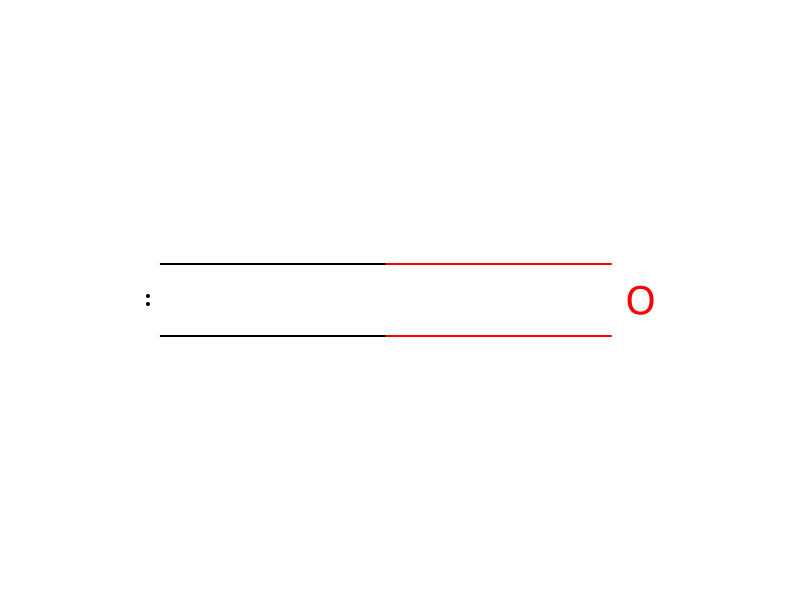
Br[C:2]1[N:3]=[C:4]([O:13][CH2:14][CH:15]2[CH2:19][CH2:18][CH2:17][CH2:16]2)[C:5]([N:8]2[CH2:12][CH2:11][CH2:10][CH2:9]2)=[N:6][CH:7]=1.C(N(CC)CC)C.[C]=O.[C:29]([O:32][CH2:33]C)(=[O:31])C>CO>[CH3:33][O:32][C:29]([C:2]1[CH:7]=[N:6][C:5]([N:8]2[CH2:12][CH2:11][CH2:10][CH2:9]2)=[C:4]([O:13][CH2:14][CH:15]2[CH2:19][CH2:18][CH2:17][CH2:16]2)[N:3]=1)=[O:31]Participants
6
Reactant 4



Product 1

Reagents, catalysts & solvents 1

Procedure
To a solution of 0.563 g (0.0017 mol) 5-bromo-3-cyclopentylmethoxy-2-pyrrolidin-1-yl-pyrazine in 4 mL methanol and 2 mL ethyl acetate was added 0.050 g PdCl2dppfCH2Cl2 and 0.48 mL (0.0035 mol) triethylamine and the mixture was stirred under an atmosphere of 70 bar carbon monoxide at 110° C. for 18 h in an autoclave. The solids were removed by filtration and the mother liquor was partitioned between water and ethyl acetate. The phases were separated and the organic phase was washed with water (2×) dried over sodium sulfate, evaporated and the residue was purified by chromatography on silica gel with dichloromethane:ethyl acetate=19:1 to yield 0.423 g of the title compound as slightly yellow orange crystals melting at 69-70° C.
Workup
- customThe solids were removed by filtration
- customthe mother liquor was partitioned between water and ethyl acetate
- customThe phases were separated
- washthe organic phase was washed with water (2×)
- dry with materialdried over sodium sulfate
- customevaporated
- customthe residue was purified by chromatography on silica gel with dichloromethane
Sources & evidence
- ORD record
- ord-2a64071349304adcb9a363ca07c0fece
- Source dataset
- uspto-grants-2010_04
- Patent number
- US07691863B2
Reaction notes
Loading…