Hydrochloric Acid → 4-methyl-5-(pyridin-4-yl)-4H-1,2,4-triazole-3-thiol
Reaction equation

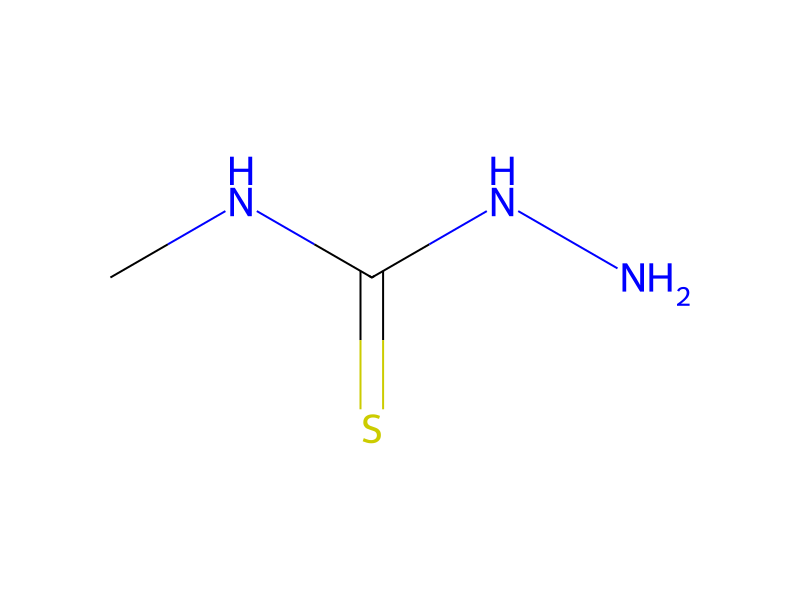
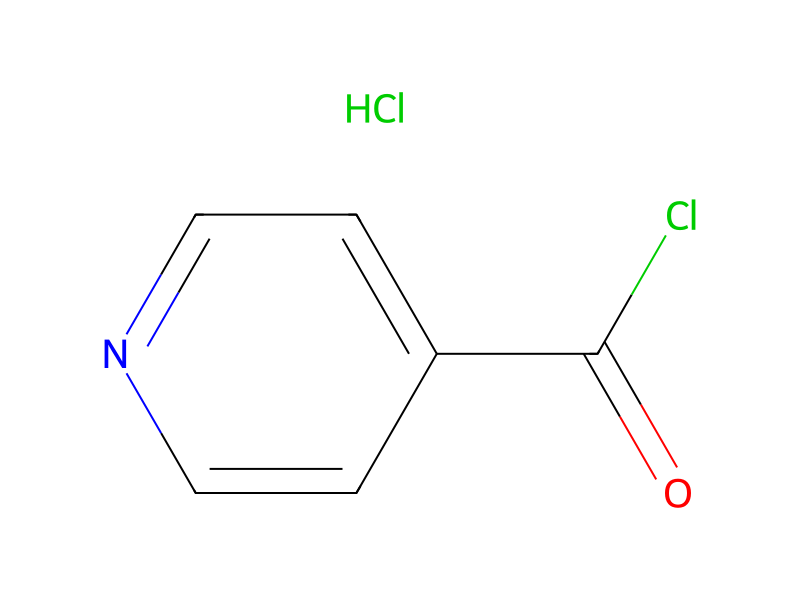
Cl.[C:2](Cl)(=O)[C:3]1[CH:8]=[CH:7][N:6]=[CH:5][CH:4]=1.[CH3:11][NH:12][C:13](=[S:16])[NH:14][NH2:15].[OH-].[Na+].Cl>N1C=CC=CC=1>[CH3:11][N:12]1[C:2]([C:3]2[CH:8]=[CH:7][N:6]=[CH:5][CH:4]=2)=[N:15][NH:14][C:13]1=[S:16]Participants
6




Procedure
Isonicotinoyl chloride hydrochloride (27.5 g, 154.5 mmol) and 4-methyl-3-thiosemicarbazide (16.4 g, 155.9 mmol) were mixed in pyridine (200 ml) and stirred under argon at ambient temperature overnight. After evaporation to dryness, aqueous sodium hydroxide (250 mL, 2M, 500 mmol) was added and the resulting solution was heated at 60° C. for 16 h. After cooling to room temperature, the solution was neutralized with 6N hydrochloric acid. The precipitate that formed was collected by filtration to give the title compound (pale yellow solid, 16.4 g, 55%). 1H NMR (DMSO-d6), δ (ppm): 8.78 (dd, 2H), 7.75 (dd, 2H), 3.59 (s, 3H).
Workup
- additionwas added
- temperaturethe resulting solution was heated at 60° C. for 16 h
- temperatureAfter cooling to room temperature
- customThe precipitate that formed
- filtrationwas collected by filtration
Sources & evidence
- ORD record
- ord-a18ef7d663e54e39b6fc2279194e4e3e
- Source dataset
- uspto-grants-2010_04
- Patent number
- US07691892B2
Reaction notes
Loading…