Cesium carbonate → HCID 21709049, compound
Reaction equation

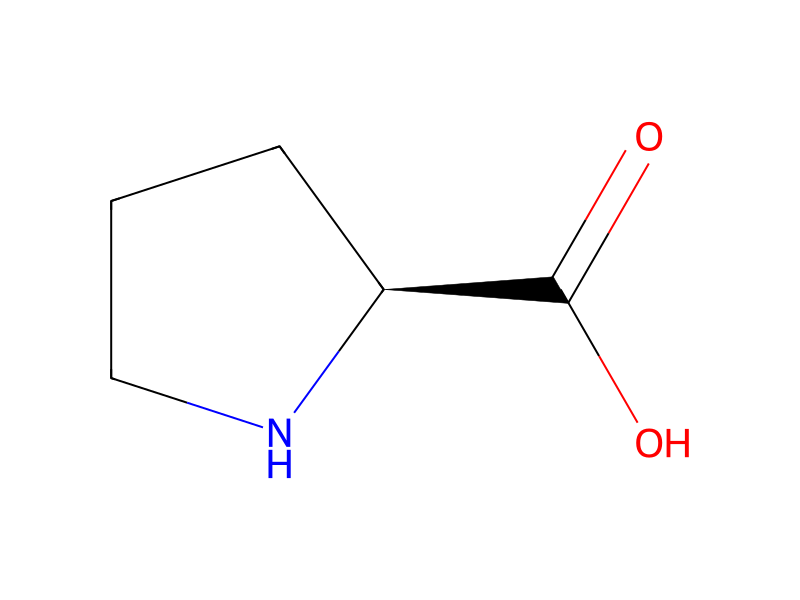
Br[C:2]1[CH:10]=[C:9]2[C:5]([CH:6]=[CH:7][NH:8]2)=[CH:4][CH:3]=1.[NH:11]1[CH2:15][CH2:14][CH2:13][CH2:12]1.C(=O)([O-])[O-].[Cs+].[Cs+].N1CCC[C@H]1C(O)=O>CS(C)=O.[Cu]I>[N:11]1([C:2]2[CH:10]=[C:9]3[C:5]([CH:6]=[CH:7][NH:8]3)=[CH:4][CH:3]=2)[CH2:15][CH2:14][CH2:13][CH2:12]1Participants
Reactant 4



Product 1

Reagents, catalysts & solvents 2


Conditions
- Temperature
- 94 °C
Procedure
A solution of 6-bromo-1H-indole (300 mg, 1.53 mmol) in DMSO (2 mL) was placed in a 10 mL sealed tube and sparged with nitrogen. Pyrrolidine (1.09 g, 15.33 mmol) was then added, followed by the addition of cesium carbonate (1 g, 3.07 mmol), copper (I) iodide (30 mg, 0.16 mmol), and L-proline (200 mg, 1.74 mmol). The resulting solution was stirred for 20 hours at 94° C. The reaction mixture was then quenched by the addition of iced water (30 mL). The resulting solution was extracted with ethyl acetate (3×100 mL) and the organic layers were combined, dried (MgSO4) and concentrated. The residue was purified by column chromatography using a 1:2 ethyl acetate/petroleum ether solvent system to give 160 mg (47%) of 6-(pyrrolidin-1-yl)-1H-indole as a tan crystalline solid.
Workup
- customsealed tube
- customsparged with nitrogen
- customThe reaction mixture was then quenched by the addition of iced water (30 mL)
- extractionThe resulting solution was extracted with ethyl acetate (3×100 mL)
- dry with materialdried (MgSO4)
- concentrationconcentrated
- customThe residue was purified by column chromatography
Sources & evidence
- ORD record
- ord-b080d6c49aa646c4b94d925733d10b78
- Source dataset
- uspto-grants-2010_04
- Patent number
- US07696229B2
Reaction notes
Loading…