Cesium carbonate → HCID 13297013, compound
Reaction equation

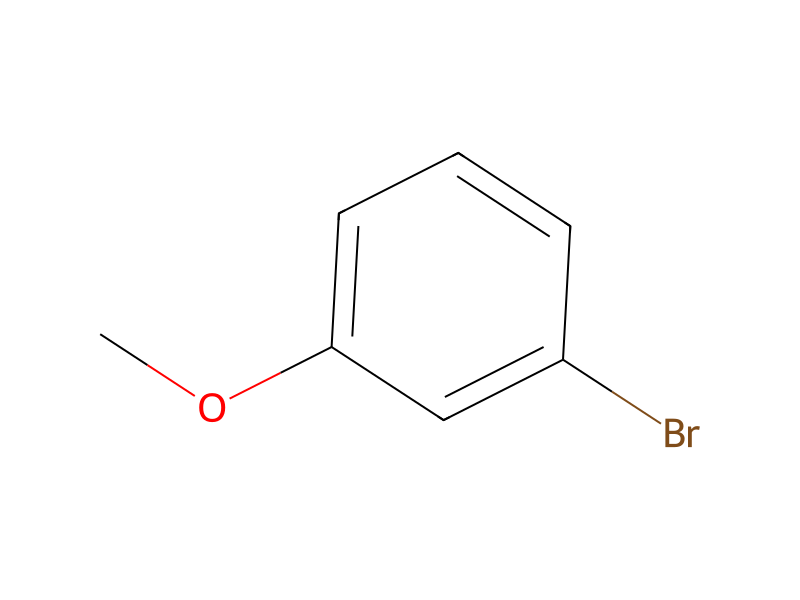
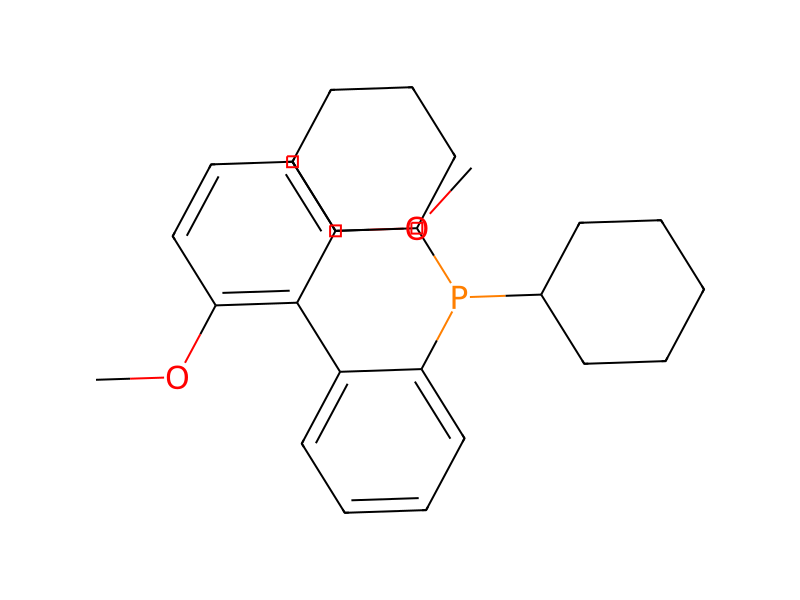
Br[C:2]1[CH:3]=[C:4]([O:8][CH3:9])[CH:5]=[CH:6][CH:7]=1.O1CCOCC1.[C:16](=[O:19])([O-])[O-].[Cs+].[Cs+].C1(P(C2CCCCC2)[C:29]2C=CC=[CH:31][C:30]=2[C:35]2C(OC)=CC=CC=2OC)CCCCC1>C([O-])(=O)C.[Pd+2].C([O-])(=O)C.CCCCCCC.O>[C:30]([O:19][CH2:16][C:2]1[CH:7]=[CH:6][CH:5]=[C:4]([O:8][CH3:9])[CH:3]=1)([CH3:35])([CH3:31])[CH3:29]Participants
Reactant 4


Product 1

Reagents, catalysts & solvents 3



Conditions
- Temperature
- 100 °C
Procedure
To a mixture of 3-bromoanisole (30 mg, 0.16 mmol) and 1,4-dioxane (2 ml) were added water (0.2 ml), cesium carbonate (0.26 g, 0.80 mmol), potassium t-butoxymethyl trifluoroborate (62 mg, 0.32 mmol), palladium (II) acetate (3.6 mg, 0.016 mmol) and 2-dicyclohexylphosphino-2′,6′-dimethoxybiphenyl (13 mg, 0.032 mmol). Then, the reaction mixture was stirred at 100° C. (external temperature) overnight. After the reaction mixture was cooled at room temperature, water and heptane were added to the mixture, and the resultant was filtered using Celite. The separated organic layer was washed with an aqueous saturated sodium chloride solution. The organic layer was separated, and the solvent was distilled off under reduced pressure. The residue was purified by silica gel column chromatography (heptane:ethyl acetate=40:1) to obtain the title compound (26 mg, 0.13 mmol, 83%).
Workup
- temperatureAfter the reaction mixture was cooled at room temperature
- filtrationthe resultant was filtered
- washThe separated organic layer was washed with an aqueous saturated sodium chloride solution
- customThe organic layer was separated
- distillationthe solvent was distilled off under reduced pressure
- customThe residue was purified by silica gel column chromatography (heptane:ethyl acetate=40:1)
Sources & evidence
- ORD record
- ord-4e33f83c56104e0da765f3ddfe183d11
- Source dataset
- uspto-grants-2010_04
- Patent number
- US07696347B2
Reaction notes
Loading…