Sodium Carbonate → HCID 178512469, compound
Reaction equation

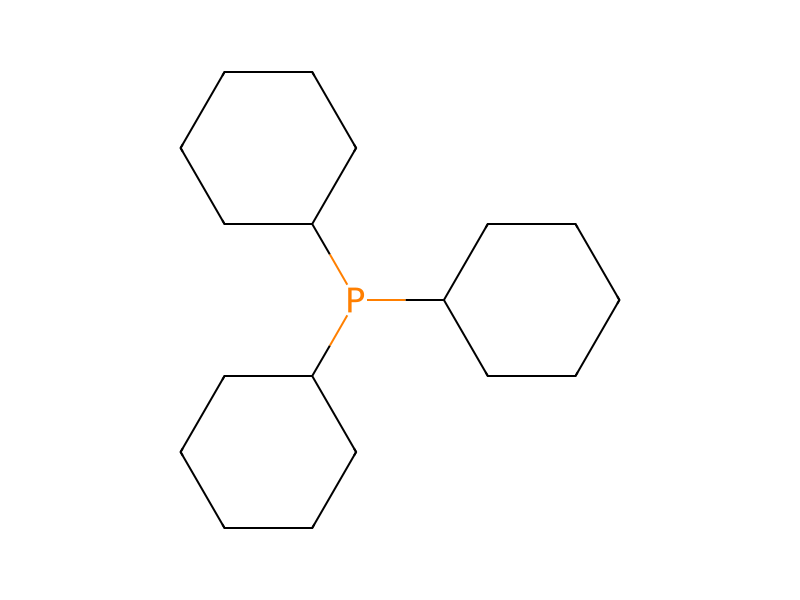
C(=O)(O)O.Cl[C:6]1[CH:11]=[CH:10][C:9]([NH:12][C:13]([NH2:15])=[NH:14])=[CH:8][CH:7]=1.CC1(C)C(C)(C)OB([C:24]2[CH:25]=[C:26]([OH:30])[CH:27]=[CH:28][CH:29]=2)O1.C(=O)([O-])[O-].[Na+].[Na+].C1(P(C2CCCCC2)C2CCCCC2)CCCCC1.[OH-].[Na+]>O.O1CCOCC1.C([O-])(=O)C.[Pd+2].C([O-])(=O)C>[OH:30][C:26]1[CH:25]=[C:24]([C:6]2[CH:11]=[CH:10][C:9]([NH:12][C:13]([NH2:15])=[NH:14])=[CH:8][CH:7]=2)[CH:29]=[CH:28][CH:27]=1Participants
9
Reactant 5




Product 1

Reagents, catalysts & solvents 3



Procedure
A mixture of 4-chlorophenylguanidine carbonate (644 mg), 3-(4,4,5,5-tetramethyl-1,3,2-dioxaborolan-2-yl)phenol (373 mg), sodium carbonate (495 mg), palladium (II) acetate (14 mg) and tricyclohexylphosphine (19 mg) in water (1.2 ml) and dioxane (5.7 ml) is kept at 100° C. under micro wave conditions for 200 min. The mixture is cooled down to rt, basified with 1 N NaOH to pH 10.5 and extracted 4 times with EtOAc. The combined organic phases are washed with brine and dried over sodium sulfate. The solvent is evaporated to afford crude N-(3′-hydroxy-biphenyl-4-yl)guanidine.
Workup
- extractionextracted 4 times with EtOAc
- washThe combined organic phases are washed with brine
- dry with materialdried over sodium sulfate
- customThe solvent is evaporated
Sources & evidence
- ORD record
- ord-600d59c1895f46c7abb52282d08a8f74
- Source dataset
- uspto-grants-2010_04
- Patent number
- US07700605B2
Reaction notes
Loading…