Anisole → Cyclobutyl(4-methoxyphenyl)methanone
Reaction equation

[Al+3].[Cl-].[Cl-].[Cl-].[CH:5]1([C:9]([OH:11])=O)[CH2:8][CH2:7][CH2:6]1.[C:12]1([O:18][CH3:19])[CH:17]=[CH:16][CH:15]=[CH:14][CH:13]=1>[N+](CC)([O-])=O>[CH:5]1([C:9]([C:15]2[CH:16]=[CH:17][C:12]([O:18][CH3:19])=[CH:13][CH:14]=2)=[O:11])[CH2:6][CH2:7][CH2:8]1Participants
5
Reactant 3
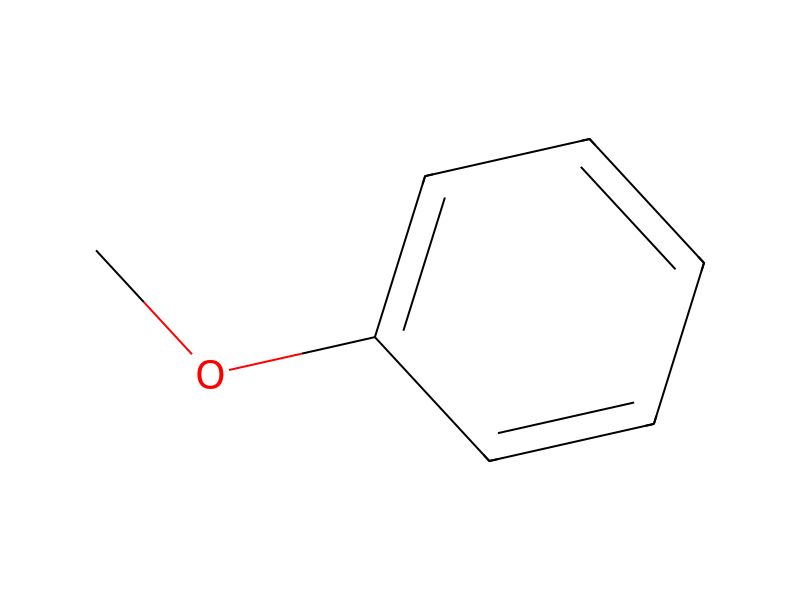
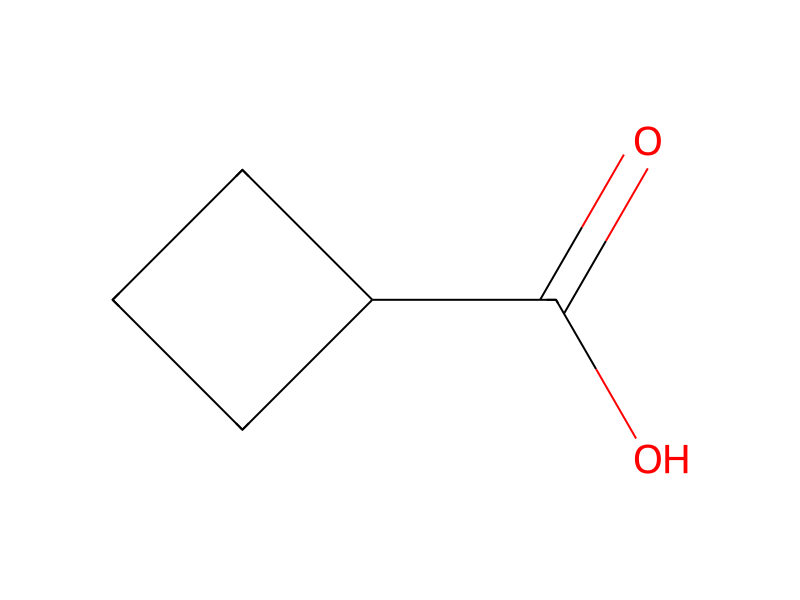

Product 1

Reagents, catalysts & solvents 1

Procedure
A solution of AlCl3 (13.4 g) in nitroethane (25 ml) was added to a solution of cyclobutane carboxylic acid (10.0 g) and anisole (10.8 g) in nitroethane (75 ml) at 10° C. The mixture was stirred for 5 hours at room temperature, was than poured on ice and extracted with MTBE. The organic phase was washed with aqueous sodium hydroxide, water and brine, dried (MgSO4) and concentrated in vacuo. The essentially clean ketone (10.8 g) was used in the next step.
Workup
- additionthan poured on ice
- extractionextracted with MTBE
- washThe organic phase was washed with aqueous sodium hydroxide, water and brine
- dry with materialdried (MgSO4)
- concentrationconcentrated in vacuo
Sources & evidence
- ORD record
- ord-3261a68a68b9411693b7b568306ab53e
- Source dataset
- uspto-grants-2010_04
- Patent number
- US07704942B2
Reaction notes
Loading…