Chloral → HCID 13050550, compound
Reaction equation

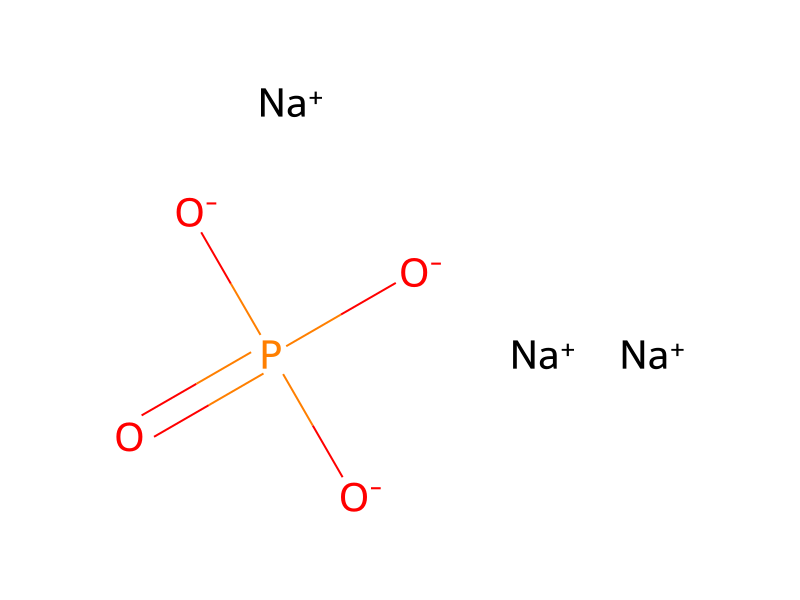
[O:1]=[CH:2][C:3]([Cl:6])([Cl:5])[Cl:4].[CH3:7][O:8][C:9]1[CH:14]=[CH:13][CH:12]=[C:11]([O:15][CH3:16])[C:10]=1[OH:17].C(=O)([O-])[O-].[K+].[K+].P([O-])([O-])([O-])=O.[Na+].[Na+].[Na+]>O>[CH3:16][O:15][C:11]1[CH:12]=[C:13]([CH:2]([OH:1])[C:3]([Cl:6])([Cl:5])[Cl:4])[CH:14]=[C:9]([O:8][CH3:7])[C:10]=1[OH:17]Participants
Reactant 4



Product 1

Reagents, catalysts & solvents 1

Procedure
47 grams of anhydrous chloral and 50 grams of 2,6-dimethoxyphenol were introduced in a reactor thermostated at 45° C. Upon obtaining a homogeneous solution, a mixture of 6.4 grams of potassium carbonate and 1.6 grams of sodium phosphate was added thereto portionwise under stirring in a 3-hour period. At the end of the addition, the mixture was left under stirring at the same temperature until the mixture thickened. The stirring was stopped and the mixture was left stand overnight at 45° C. The mixture was kneaded a long time in water and filtered. A yellow-reddish solid product was obtained, which was crystallized from aqueous ethanol. Yield: 82 grams (83.9% calculated on dimethoxyphenol). Analysis: chlorine 34.7% theoretical 35.27%), melting point 160°-162° C.; purity 97.5% (GC).
Workup
- customat 45° C
- customUpon obtaining a homogeneous solution
- additionwas added
- additionAt the end of the addition
- waitthe mixture was left
- stirringunder stirring at the same temperature until the mixture
- filtrationfiltered
- customA yellow-reddish solid product was obtained
- customwhich was crystallized from aqueous ethanol
Sources & evidence
- ORD record
- ord-27026f46366047f78001740b18216976
- Source dataset
- uspto-grants-1983_10
- Patent number
- US04408074
Reaction notes
Loading…