Hydrogen Bromide → HCID 13823186, compound
Reaction equation

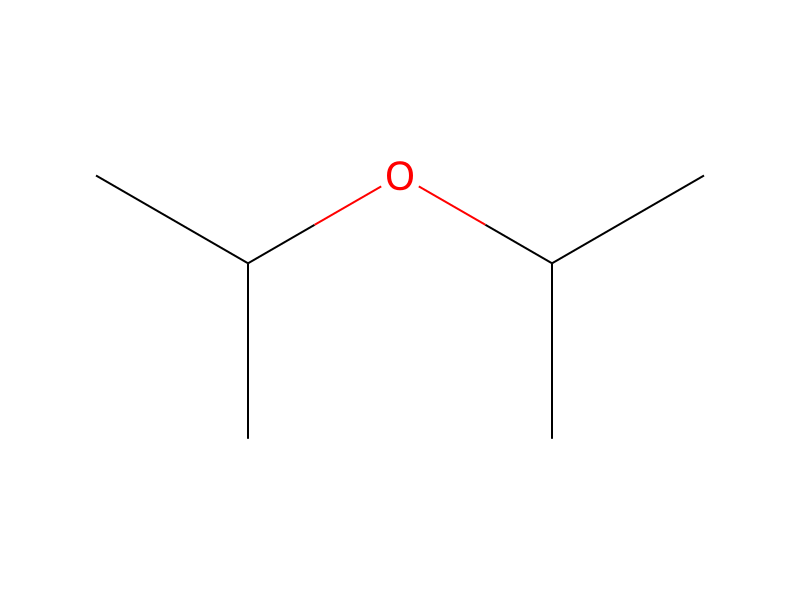
[CH2:1]([N:3]([CH2:24][CH3:25])[C:4]([NH:6][C@H:7]1[CH2:21][C@H:20]2[C@@H:10]([CH2:11][C:12]3[C:22]4[C:15](=[CH:16][CH:17]=[CH:18][C:19]2=4)[NH:14][CH:13]=3)[N:9]([CH3:23])[CH2:8]1)=[O:5])[CH3:2].[BrH:26].[Br:27]Br.C(OC(C)C)(C)C>C(Cl)Cl.C(O)(=O)C>[Br:26][C:13]1[NH:14][C:15]2[C:22]3[C:12]=1[CH2:11][C@@H:10]1[C@@H:20]([C:19]=3[CH:18]=[C:17]([Br:27])[CH:16]=2)[CH2:21][C@H:7]([NH:6][C:4](=[O:5])[N:3]([CH2:1][CH3:2])[CH2:24][CH3:25])[CH2:8][N:9]1[CH3:23]Participants
7
Reactant 4



Product 1

Reagents, catalysts & solvents 2


Procedure
10 g of 1,1-diethyl-3-(6-methyl-8α-ergolinyl)urea (terguride) (30 mmol) is dissolved in 550 ml of methylene chloride and, under ice cooling, 8.8 ml of 33% strength solution of hydrogen bromide in glacial acetic acid is added thereto. With continued cooling, a solution of 3.1 ml of bromine (60 mmol) in 400 ml of methylene chloride is added dropwise thereto within 30 minutes. The crystalline slurry is combined with 200 ml of diisopropyl ether, and the crystals are filtered off after stirring for 20 minutes. Recrystallization from methylene chloride, methanol and diisopropyl ether yields 10.5 g of 3-(2,13-dibromo-6-methyl-8α-ergolinyl)-1,1-diethylurea (71% of theory).
Workup
- temperatureWith continued cooling
- filtrationthe crystals are filtered off
- customRecrystallization from methylene chloride, methanol and diisopropyl ether
Sources & evidence
- ORD record
- ord-e903cd6b0eaf4b1a94aff50a54a1f803
- Source dataset
- uspto-grants-1988_04
- Patent number
- US04740509
Reaction notes
Loading…