Potassium Carbonate → HCID 11118300, compound
Reaction equation

[OH:1][C:2]1[CH:7]=[CH:6][CH:5]=[CH:4][C:3]=1[NH:8][C:9]([C:11]1[C:15]([CH3:16])=[C:14]([CH3:17])[S:13][C:12]=1Br)=[O:10].C(=O)([O-])[O-].[K+].[K+].O.C(OCC)(=O)C>CSC>[CH3:17][C:14]1[S:13][C:12]2[O:1][C:2]3[CH:7]=[CH:6][CH:5]=[CH:4][C:3]=3[NH:8][C:9](=[O:10])[C:11]=2[C:15]=1[CH3:16]Participants
5
Reactant 3



Product 1

Reagents, catalysts & solvents 1
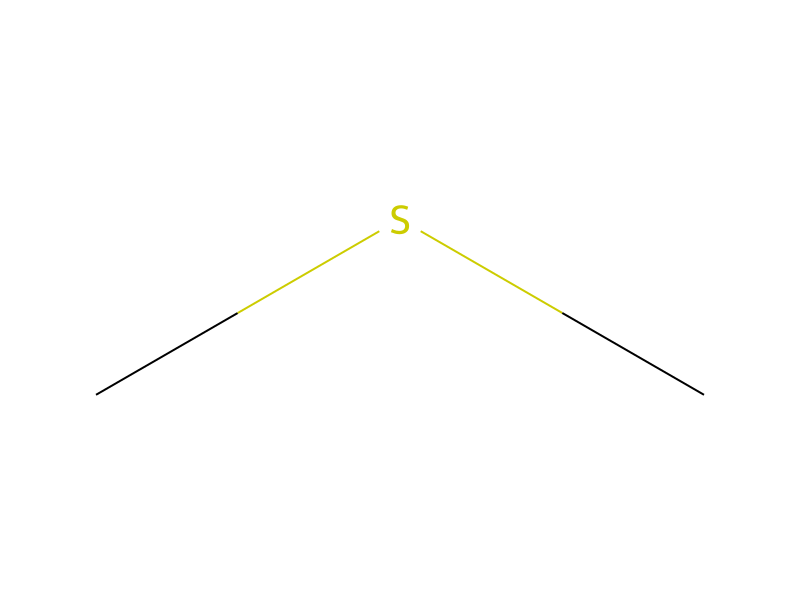
Conditions
- Temperature
- 165 °C
Procedure
To a solution of N-(2-hydroxyphenyl)-2-bromo-4,5-dimethyl-3-thiophenecarboxamide (3.3 g) in dimethyl sulfide (50 ml) was added potassium carbonate (2.8 g) and the mixture was stirred at 160-170° C. for 20 minutes. The reaction system was cooled to room temperature and the reaction mixture was poured into water-ethyl acetate. The insoluble matter was filtrated and the filtrate was extracted with ethyl acetate, washed with water and dried over magnesium sulfate. The solvent was evaporated under reduced pressure, and the residue was purified by silica gel column chromatography (hexane:ethyl acetate=4:1) to give 2,3-dimethylthieno[2,3-b][1,5]benzoxazepin-4(5H)-one (1.4 g).
Workup
- temperatureThe reaction system was cooled to room temperature
- filtrationThe insoluble matter was filtrated
- extractionthe filtrate was extracted with ethyl acetate
- washwashed with water
- dry with materialdried over magnesium sulfate
- customThe solvent was evaporated under reduced pressure
- customthe residue was purified by silica gel column chromatography (hexane:ethyl acetate=4:1)
Sources & evidence
- ORD record
- ord-847ecf51eab54e779d16e617775d43bf
- Source dataset
- uspto-grants-2001_08
- Patent number
- US06271225B1
Reaction notes
Loading…