Triethylamine → Ethyl 2-oxopropionate 2,4-dichlorophenylhydrazone
Reaction equation

[Cl:1][C:2]1[CH:7]=[C:6]([Cl:8])[CH:5]=[CH:4][C:3]=1[NH:9][NH2:10].[C:11]([O:16][CH2:17][CH3:18])(=O)[C:12]([CH3:14])=[O:13].C(N(CC)CC)C>C(O)C>[Cl:1][C:2]1[CH:7]=[C:6]([Cl:8])[CH:5]=[CH:4][C:3]=1[NH:9][N:10]=[C:11]([O:16][CH2:17][CH3:18])[C:12](=[O:13])[CH3:14]Participants
5
Reactant 3

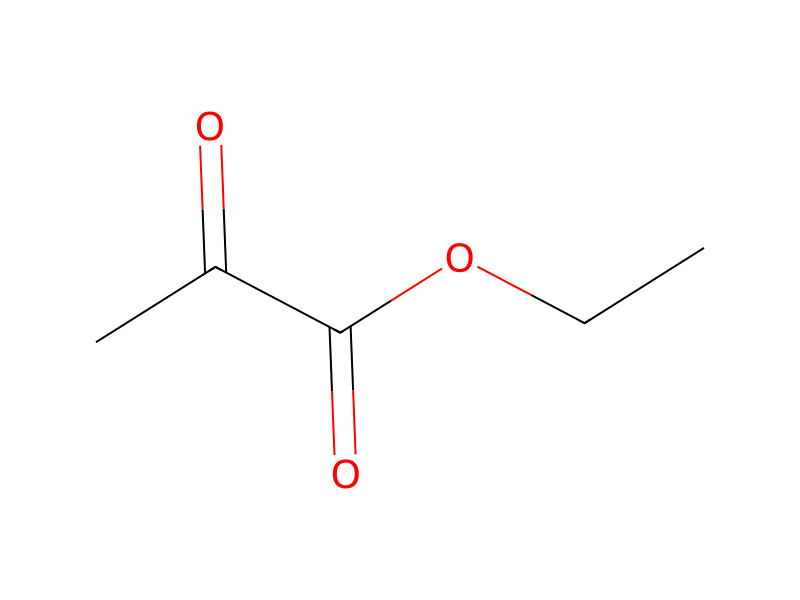

Product 1

Reagents, catalysts & solvents 1

Procedure
A mixture of 2,4-dichlorophenylhydrazine (1.0 g, 4.7 mmol), ethyl pyruvate (0.53 mL, 4.7 mmol), triethylamine (0.65 mL, 4.7 mmol) and ethanol (5 mL) was heated at reflux overnight. The solvent was evaporated and the residue taken up in chloroform. The solution was washed with water and brine and dried over magnesium sulfate and concentrated, leaving an oil (1.1 g, 98%).
Workup
- temperaturewas heated
- temperatureat reflux overnight
- customThe solvent was evaporated
- washThe solution was washed with water and brine
- dry with materialdried over magnesium sulfate
- concentrationconcentrated
Sources & evidence
- ORD record
- ord-ceb1d970f5d1424dafb2778a7069dc57
- Source dataset
- uspto-grants-2001_08
- Patent number
- US06277877B1
Reaction notes
Loading…