Hydrochloric Acid → (S)-(+)-3-Cyano-4-(2-methylbutyloxy)phenylboronic acid
Reaction equation

[Li].[C:2]([C:4]1[CH:5]=[C:6]([CH:10]=[CH:11][C:12]=1[O:13][CH2:14][C@@H:15]([CH3:18])[CH2:16][CH3:17])C(O)=O)#[N:3].[B:19](OC)([O:22]C)[O:20]C.Cl>C1COCC1>[C:2]([C:4]1[CH:5]=[C:6]([B:19]([OH:22])[OH:20])[CH:10]=[CH:11][C:12]=1[O:13][CH2:14][C@@H:15]([CH3:18])[CH2:16][CH3:17])#[N:3]Participants
6




Procedure
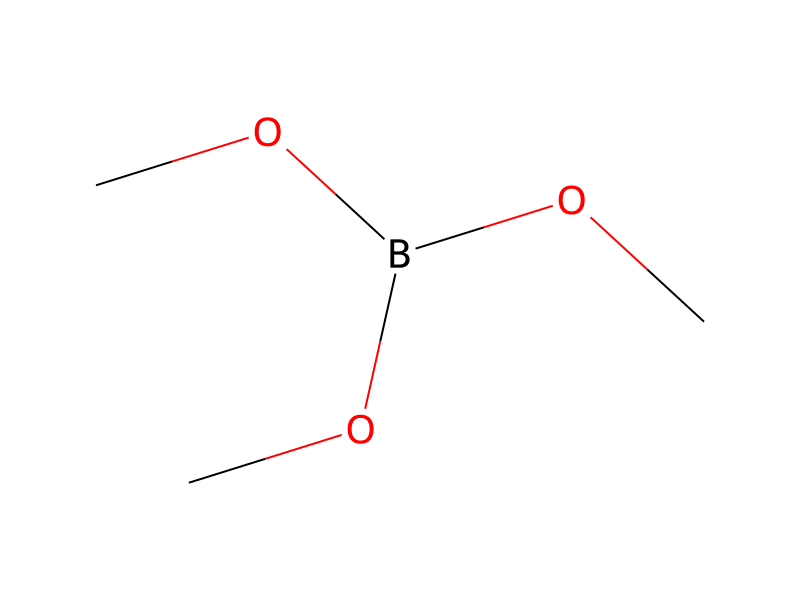
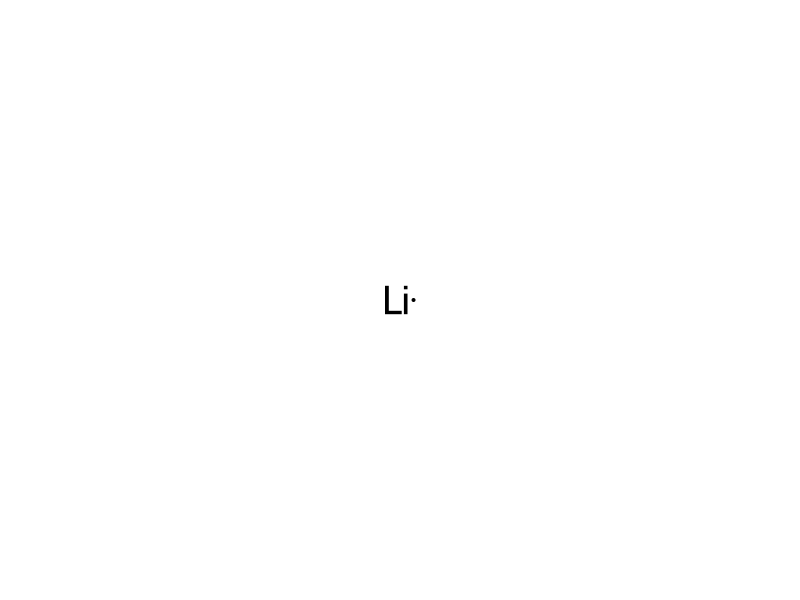
The experimental procedure for the preparation of the lithium salt was as described in the preparation of compound 43. A solution of trimethyl borate (2.70 g, 0.024 mol) in dry THF (10 ml) was added dropwise to the lithium salt solution. The resultant mixture was allowed to warm to room temperature overnight whilst stirring and dilute hydrochloric acid was then added. The THF/water azeotrope was removed in vacuo and the remaining residue was dissolved in diethyl ether and washed with water until acid-free. The ether was dried (MgSO4) and removed in vacuo to leave a fawn solid.
Workup
- customThe THF/water azeotrope was removed in vacuo
- dissolutionthe remaining residue was dissolved in diethyl ether
- washwashed with water until acid-free
- dry with materialThe ether was dried (MgSO4)
- customremoved in vacuo
- customto leave a fawn solid
Sources & evidence
- ORD record
- ord-fafe30abe6ee4814819541f97cf2c224
- Source dataset
- uspto-grants-2001_08
- Patent number
- US06278028B1
Reaction notes
Loading…