Propylene Oxide → 2-Morpholinol, 4-(1,1-dimethylethyl)-2,6-dimethyl-
Reaction equation

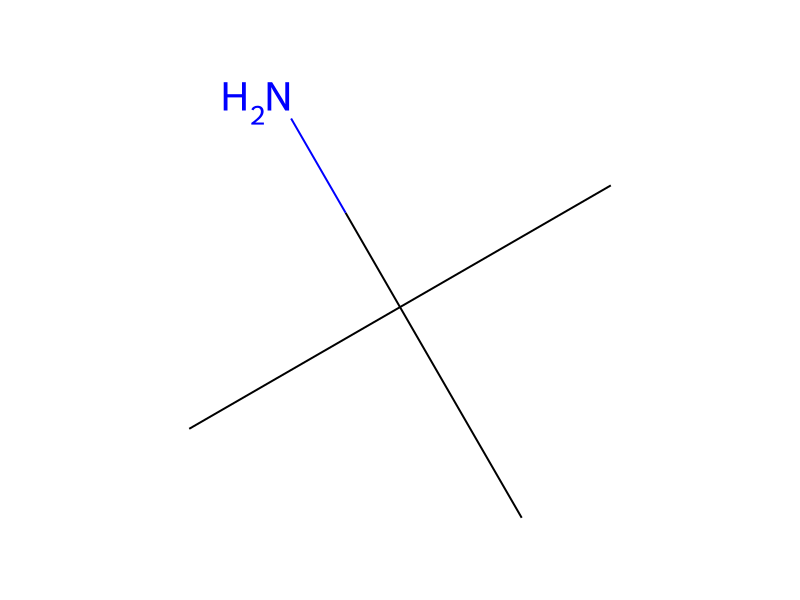
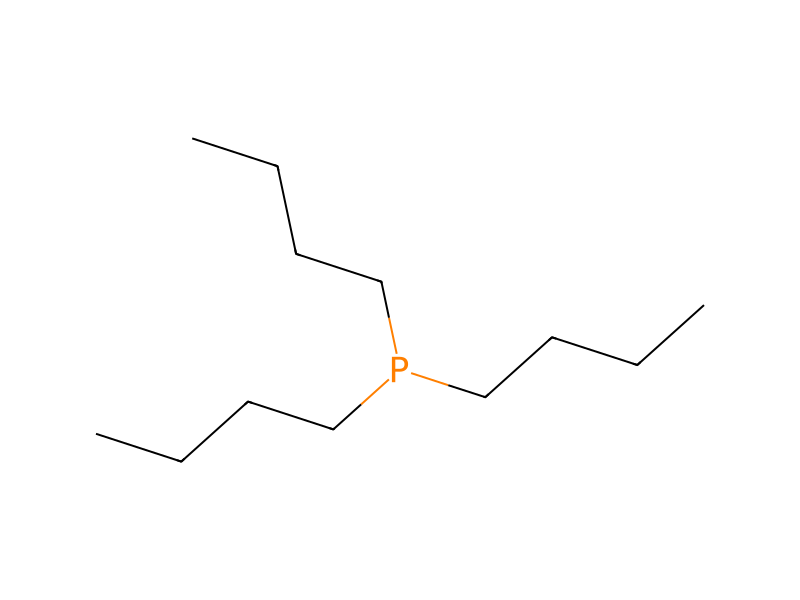
[C:1]([NH2:5])([CH3:4])([CH3:3])[CH3:2].[CH2:6]1[O:9][CH:7]1[CH3:8].C(P(C[CH2:20][CH2:21][CH3:22])CCCC)CCC.[O:23]1CCOCC1>O.[Ru](Cl)(Cl)Cl>[C:1]([N:5]1[CH2:6][CH:7]([CH3:8])[O:9][C:21]([CH3:20])([OH:23])[CH2:22]1)([CH3:4])([CH3:3])[CH3:2]Participants




Conditions
- Temperature
- 180 °C
Procedure
A 300-ml stirred autoclave with pyrex liner was charged with a mixture of t-butylamine (14.6 g, 0.2 mol), propylene oxide (34.8 g, 0.6 mol), tributylphosphine (1.6 ml), ruthenium(III) trichloride hydrate (0.520 g) and 1,4-dioxane (20 ml). The reactor was sealed and purged of air. The reaction was heated to 180° C. and held for five hours. During the process, the pressure went up to 250 psi. The reaction was allowed to cool to room temperature. The solvent was removed at reduced pressure. The products were distilled to obtain a 52% yield of 4-tert-butyl-2,6-dimethyl-2-hydroxymorpholine and a 12% yield of N-tert-butyl-bis-(2-hydroxypropyl)amine. There is only a small amount of 4-tert-butyl-2,6-dimethylmorpholine (<1%) found in this reaction.
Workup
- customThe reactor was sealed
- custompurged of air
- temperatureto cool to room temperature
- customThe solvent was removed at reduced pressure
- distillationThe products were distilled
Sources & evidence
- ORD record
- ord-7f415c3ec4b145ae9aa2eea9705adc4c
- Source dataset
- uspto-grants-1987_06
- Patent number
- US04670557
Reaction notes
Loading…