4-Hydroxybenzaldehyde → 5-[(3,4-Dihydroxyphenyl)methylidene]imidazolidine-2,4-dione
Reaction equation

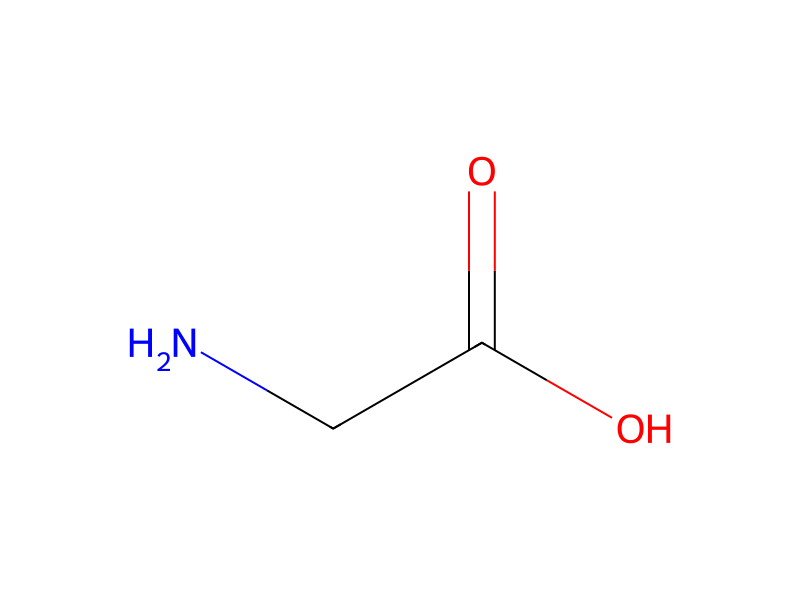
Cl.[NH2:2][C@H:3]([C:9]([OH:11])=O)CCCCN.[OH:12][C:13]1[CH:14]=[C:15]([CH:18]=[CH:19][C:20]=1[OH:21])[CH:16]=O.[NH2:22]CC(O)=O.OC1C=CC([CH:32]=[O:33])=CC=1>>[OH:12][C:13]1[CH:14]=[C:15]([CH:18]=[CH:19][C:20]=1[OH:21])[CH:16]=[C:3]1[NH:2][C:32](=[O:33])[NH:22][C:9]1=[O:11]Participants
5



Procedure
5-(3,4-Dihydroxybenzylidene)-hydantoin was prepared in the same manner as in Example 4, except that 45.7 g (0.25 mol) of L-lysine.hydrochloride and 69.1 g (0.50 mol) of 3,4-dihydroxybenzaldehyde were used in lieu of glycine and p-hydroxybenzaldehyde, respectively. During the reaction, the pH of the reaction mixture was 9.4 to 9.2.
Workup
- customDuring the reaction
Sources & evidence
- ORD record
- ord-ba7fbde5ba7641108767b871dc673458
- Source dataset
- uspto-grants-1987_06
- Patent number
- US04672127
Reaction notes
Loading…