Acetone → Encainide hydrochloride
Reaction equation

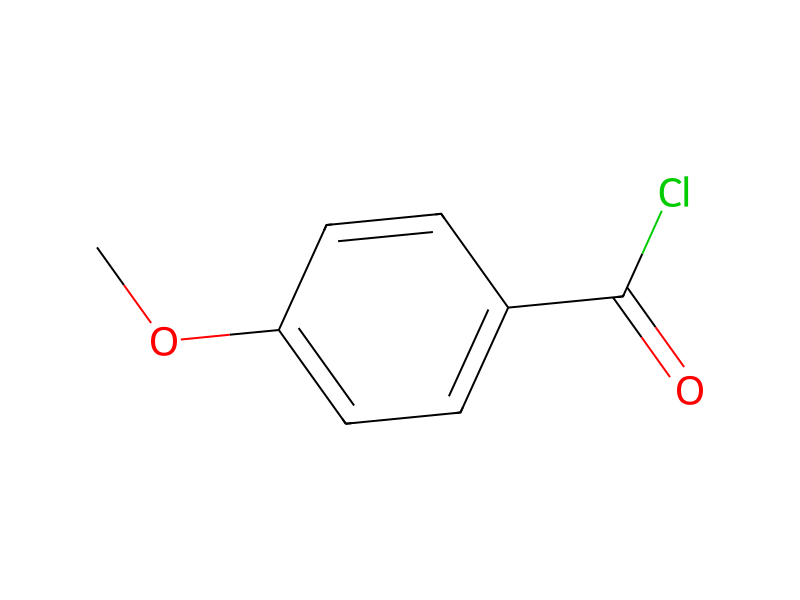
COS([O-])(=O)=O.[N+:7]([C:10]1[CH:24]=[CH:23][CH:22]=[CH:21][C:11]=1[CH:12]=[CH:13][C:14]1[CH:19]=[CH:18][CH:17]=[CH:16][N+:15]=1[CH3:20])([O-])=O.NC1C=CC=CC=1CCC1CCCCN1C.[C:41]([Cl:51])(=[O:50])[C:42]1[CH:47]=[CH:46][C:45]([O:48][CH3:49])=[CH:44][CH:43]=1.CC(C)=O>C([O-])(=O)C.[K+].[Pt].C(#N)C>[CH3:20][N:15]1[CH:14]([CH2:13][CH2:12][C:11]2[CH:21]=[CH:22][CH:23]=[CH:24][C:10]=2[NH:7][C:41]([C:42]2[CH:43]=[CH:44][C:45]([O:48][CH3:49])=[CH:46][CH:47]=2)=[O:50])[CH2:19][CH2:18][CH2:17][CH2:16]1.[ClH:51]Participants
Reactant 4



Product 1

Reagents, catalysts & solvents 3



Procedure
A process for preparing 4-methoxy-2'-[2-(1-methyl-2-piperidyl) ethyl]benzanilide (I) as the hydrochloride salt ##STR4## which comprises (a) combining α-picoline and dimethylsulfate to form the picolinium methyl sulfate salt (V) ##STR5## which is then reacted with o-nitrobenzaldehyde to produce 1-(2-nitrophenyl)-2-[2-1-methyl) pyridinium methyl sulfate]-ethanol (IV) ##STR6## (b) dehydrating (IV) by heating in a mixture of acetic acid, acetic anhydride and potassium acetate to yield 2-(2-nitrostyrenyl)-[2-(1-methyl) pyridinium methyl sulfate ] (III); ##STR7## (c) hydrogenating (III) using a platinum catalyst to generate 2-(2-aminophenethyl)-1-methylpiperidine (II); and ##STR8## (d) reacting (II) with anisoyl chloride in an organic solvent selected from the group consisting of acetone, acetonitrile, and a C2-5 alkanol, to obtain encainide hydrochloride directly.
Sources & evidence
- ORD record
- ord-9f54906643bf4aa6ba48a5c9575ef91f
- Source dataset
- uspto-grants-1987_06
- Patent number
- US04675409
Reaction notes
Loading…