Hydrochloric Acid → HCID 135509426, compound
Reaction equation

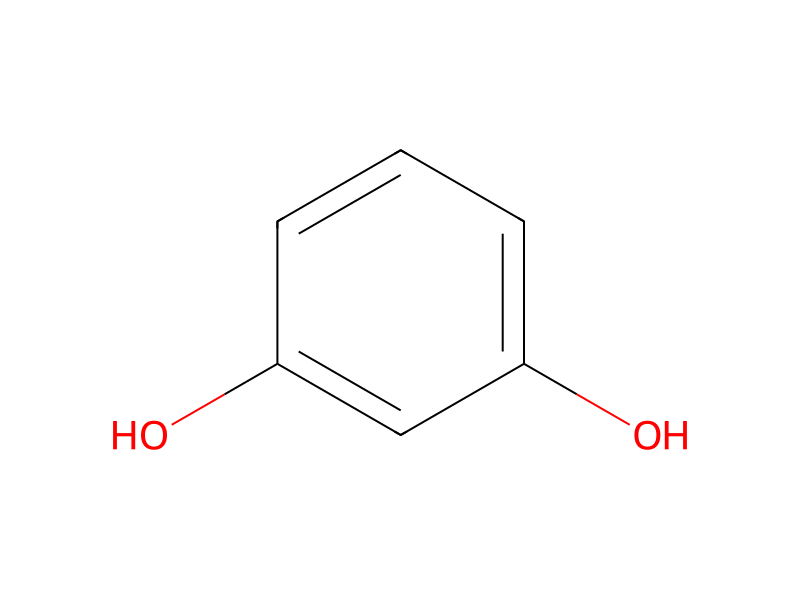
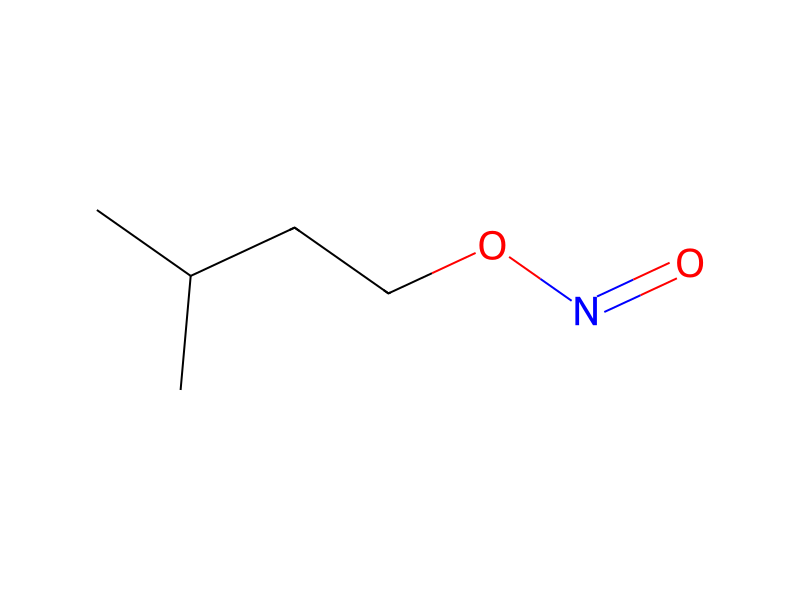
NC1C=CC=CC=1.Cl.N(OCCC(C)C)=[O:10].C([O-])(=O)C.[Na+].C1(C=CC=C(O)C=1)O.[C:30]1([N:36]=[N:37][C:38]2[C:44](O)=[C:43]([N:46]=[N:47][C:48]3[CH:53]=[CH:52][CH:51]=[CH:50][CH:49]=3)[CH:42]=[CH:41][C:39]=2[OH:40])[CH:35]=[CH:34][CH:33]=[CH:32][CH:31]=1>O>[C:30]1([N:36]=[N:37][C:38]2[C:39]([OH:40])=[CH:41][C:42]([OH:10])=[C:43]([N:46]=[N:47][C:48]3[CH:53]=[CH:52][CH:51]=[CH:50][CH:49]=3)[CH:44]=2)[CH:35]=[CH:34][CH:33]=[CH:32][CH:31]=1Participants





Conditions
- Temperature
- 5 °C
Procedure
Bis(phenylazo)resorcinol isomers were prepared according to a procedure similar to that described in Helvetica Chimica Acta, pp. 1816-1823 (1958). In a 2 liter flask, 37.2 g of aniline was added to 120 ml of water, and to this solution was added 100 ml of concentrated HCl and the solution was cooled to 5° C. 58.58 g of isoamyl nitrite was then added slowly. In a second 3 liter flask, 160 g of sodium acetate was added to a stirred solution of 44.4 g of resorcinol in 440 ml of water and dissolved. Then, the above diazonium solution was added in a thin stream to the resorcinol solution with vigorous stirring. Stirring continued for 2 hours, and an orange-red product precipitated out. Since reaction above occurs in acid solution, the predominant amount of the isomer in the orange red product is the 2,4-bis(phenylazo) resorcinol isomer (see FIG. 1 in Helvetica Chimica Acta identified above.
Workup
- dissolutiondissolved
- customan orange-red product precipitated out
- customSince reaction
Sources & evidence
- ORD record
- ord-d313ce2d4cdd4f7aab987e5158f74b30
- Source dataset
- uspto-grants-1991_01
- Patent number
- US04983492
Reaction notes
Loading…