4-Chloroaniline → 4'-Chloro-2-(2,2-difluorocyclopropyl)acetanilide
Reaction equation

[Cl:1][C:2]1[CH:8]=[CH:7][C:5]([NH2:6])=[CH:4][CH:3]=1.C(N(CC)CC)C.CN(C1C=CC=CN=1)C.[F:25][C:26]1([F:33])[CH2:28][CH:27]1[CH2:29][C:30](Cl)=[O:31]>O1CCCC1.O>[Cl:1][C:2]1[CH:8]=[CH:7][C:5]([NH:6][C:30](=[O:31])[CH2:29][CH:27]2[CH2:28][C:26]2([F:33])[F:25])=[CH:4][CH:3]=1Participants
7






Procedure
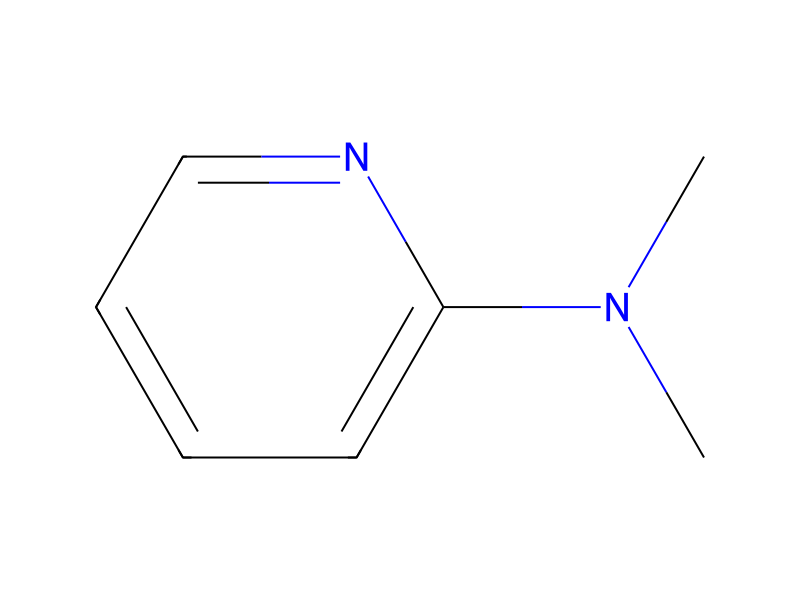
15.3 g (120 mmol) 4-Chloroaniline, 18.4 ml (132 mmol) triethylamine and 50 mg dimethylaminopyridine dissolved in 150 ml tetrahydrofuran was treated, under ice-cooling, with 18.6 g (120 mmol) 2-(2,2-difluorocyclopropyl)acetyl chloride. The mixture was stirred for 2 hours at room temperature and poured into 1000 ml water. The precipitated crystals were separated, washed with a small amount of hydrochloric acid and dried in vacuo (200 mbar). A sample was analysed by thin layer chromatography (dichloromethane:methanol=95:5) (Rf=0.62).
Workup
- additionwas treated, under ice-
- customThe precipitated crystals were separated
- washwashed with a small amount of hydrochloric acid
- customdried in vacuo (200 mbar)
Sources & evidence
- ORD record
- ord-ac868c99b45d4bf0bff9fac65b8d2257
- Source dataset
- uspto-grants-1991_01
- Patent number
- US04983630
Reaction notes
Loading…