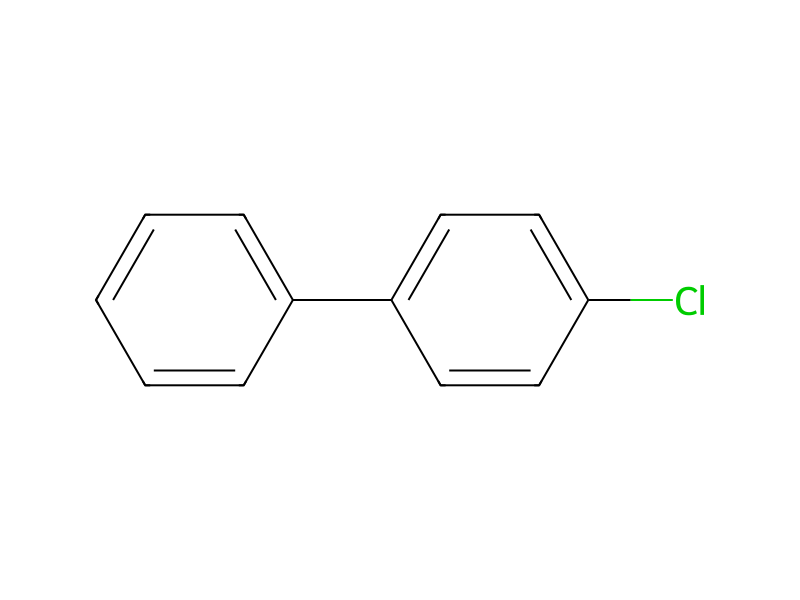
Potassium Carbonate → 4-Chlorobiphenyl
Reaction equation

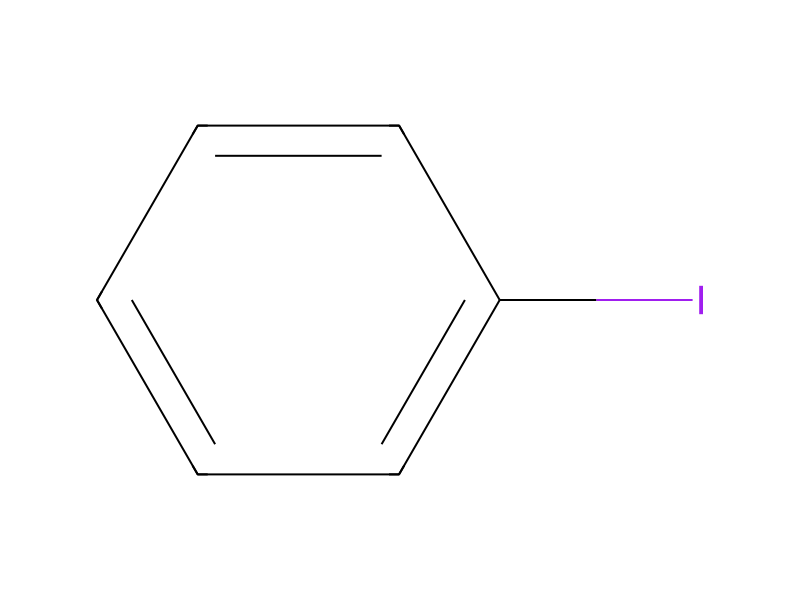
I[C:2]1[CH:7]=[CH:6][CH:5]=[CH:4][CH:3]=1.[Cl:8][C:9]1[CH:14]=[CH:13][C:12](B(O)O)=[CH:11][CH:10]=1.C(=O)([O-])[O-].[K+].[K+]>C(O)C>[Cl:8][C:9]1[CH:14]=[CH:13][C:12]([C:2]2[CH:7]=[CH:6][CH:5]=[CH:4][CH:3]=2)=[CH:11][CH:10]=1Participants
Reactant 3


Product 1
Reagents, catalysts & solvents 1

Conditions
- Temperature
- 80 °C
Procedure
To a solution of iodobenzene (102 mg), 4-chlorophenylboronic acid (117 mg), and potassium carbonate (138 mg) in ethanol (3 ml) was added the plated mesh catalyst precursor (12 mm by 14 mm, wire diameter of 0.1 mm, opening of 0.154 mm) prepared in Example 6 and heated for 12 hours at 80° C. The reaction mixture was cooled to room temperature, and the mesh catalyst precursor was taken off from the mixture and washed with ethanol. The solvent was distilled away from the reaction mixture under reduced pressure. The residue was purified by column chromatography on silica gel (n-hexane) to give an intended product, 4-chlorobiphenyl quantitatively. The catalyst precursor taken off from the mixture could be recycled at least ten times with an average yield of not less than 90%. The wet-gilded type and the dry-gilded type provided the similar results.
Workup
- customprepared in Example 6
- temperatureThe reaction mixture was cooled to room temperature
- washwashed with ethanol
- distillationThe solvent was distilled away from the reaction mixture under reduced pressure
- customThe residue was purified by column chromatography on silica gel (n-hexane)
Sources & evidence
- ORD record
- ord-738a9ab675ea4d5683e7d679c35508ba
- Source dataset
- uspto-grants-2015_11
- Patent number
- US09175004B2
Reaction notes
Loading…