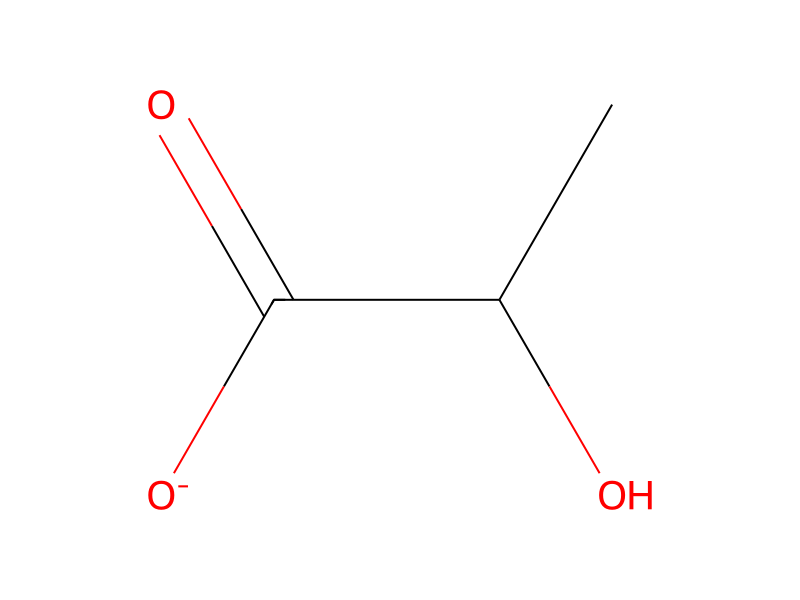
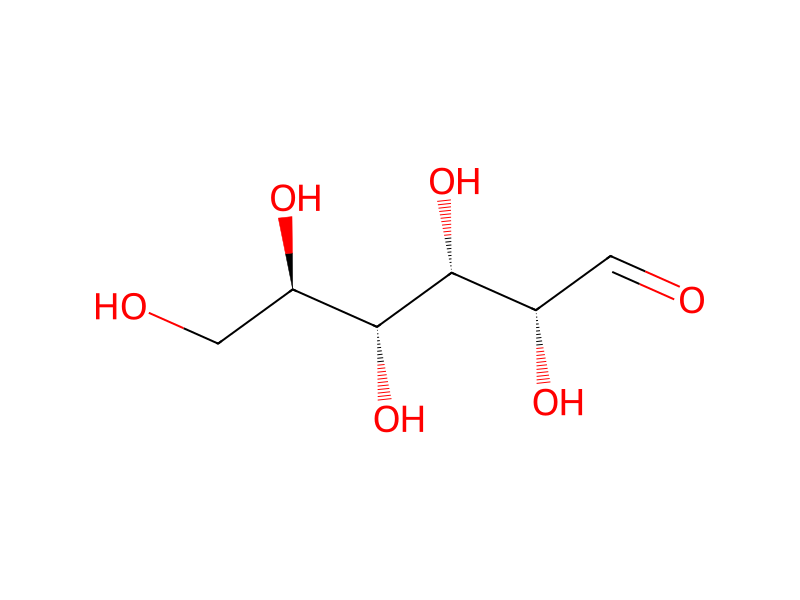
Lactate → (2R,3S,4R,5R)-2,3,4,5,6-pentahydroxyhexanal
Reaction equation

[C:1]([O-:9])(=[O:8])[CH:2]([CH2:4][C:5]([O-:7])=[O:6])[OH:3].C([O-])(=O)CCC([O-])=[O:14].[C:18]([O-])(=[O:22])[CH:19](C)[OH:20]>>[C:1]([O-:9])(=[O:8])[CH:2]([CH2:4][C:5]([O-:7])=[O:6])[OH:3].[O:20]=[CH:19][C@@H:18]([C@H:5]([C@@H:4]([C@@H:2]([CH2:1][OH:9])[OH:3])[OH:14])[OH:7])[OH:22]Participants


Procedure
Although malate was the dominant fermentation product of XZ658 (FIG. 1B), cell growth (0.75 g/L) and malate productivity (0.15 g liter−1 h−1) were low in comparison to our previous biocatalysts for succinate (12-13, 31) and lactate (8) production (Table 4). Microaerobic (3-4) and two-stage processes (aerobic cell growth followed by anaerobic fermentation) were investigated as approaches to improve malate production. After 6 days under microaerobic conditions (0.1 vvm air), malate production (120 mM) and malate yield (0.49 mol per mol glucose) were even poorer than observed during anaerobic fermentations (Table 4). A two stage process proved more effective for malate production. Cells were grown aerobically (1.0 vvm air) for 16 h (2.5 g liter−1 dcw) and then shifted to anaerobic conditions for malate production (72 h). With this approach, 253 mM malate was produced with a yield of 1.42 mol per mol glucose. Productivity during the anaerobic phase averaged 0.47 g liter−1 h−1.
Sources & evidence
- ORD record
- ord-21a9d55142584381a3fdd99aa7c7520c
- Source dataset
- uspto-grants-2015_11
- Patent number
- US09187772B2
Reaction notes
Loading…