Potassium Carbonate → 3-Bromo-9-phenylcarbazole
Reaction equation

[Br:1][C:2]1[CH:3]=[CH:4][C:5]2[NH:6][C:7]3[C:12]([C:13]=2[CH:14]=1)=[CH:11][CH:10]=[CH:9][CH:8]=3.I[C:16]1[CH:21]=[CH:20][CH:19]=[CH:18][CH:17]=1.C(=O)([O-])[O-].[K+].[K+].C1OCCOCCOCCOCCOCCOC1>ClC1C=CC=CC=1Cl.[Cu]>[Br:1][C:2]1[CH:3]=[CH:4][C:5]2[N:6]([C:16]3[CH:21]=[CH:20][CH:19]=[CH:18][CH:17]=3)[C:7]3[C:12]([C:13]=2[CH:14]=1)=[CH:11][CH:10]=[CH:9][CH:8]=3Participants
7

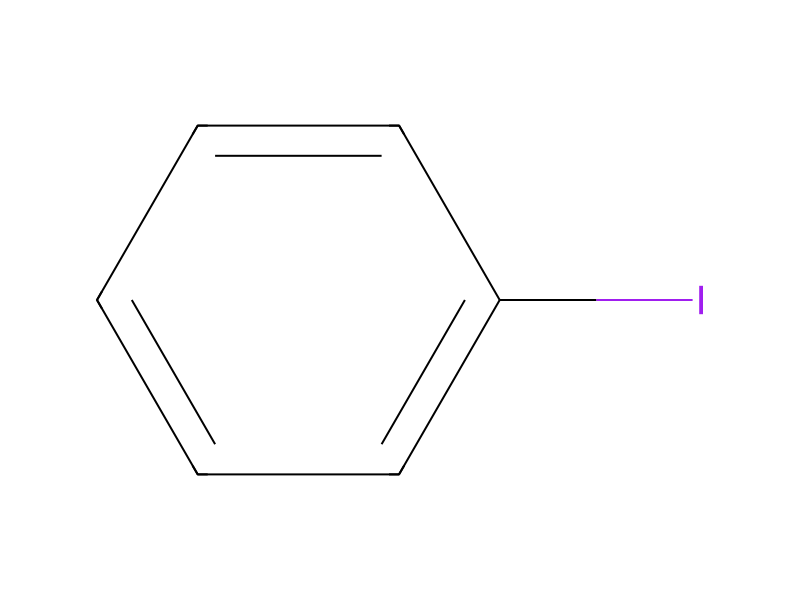




Procedure
3Bromo-9H-carbazole (10.0 g, 40.6 mmol), iodobenzene (20.7 g, 101.6 mmol), potassium carbonate (28.1 g, 203.2 mmol), copper (2.58 g, 40.6 mmol), 18-crown-6 (10.7 g, 40.6 mmol) in o-dichlorobenzene (400 mL) were stirred and degassed with nitrogen for 15 minutes. The reaction was refluxed overnight. The reaction mixture was filtered Celite®, washed with toluene and the filtrate was concentrated under vacuum. It was then column chromatographed with 20% DCM/hexane to obtain 15.6 g (81%) of the desired product as a white solid.
Workup
- customdegassed with nitrogen for 15 minutes
- temperatureThe reaction was refluxed overnight
- filtrationThe reaction mixture was filtered Celite®
- washwashed with toluene
- concentrationthe filtrate was concentrated under vacuum
- customcolumn chromatographed with 20% DCM/hexane
Sources & evidence
- ORD record
- ord-6c543f50e3b14fba9d4de3419428bc56
- Source dataset
- uspto-grants-2015_11
- Patent number
- US09190623B2
Reaction notes
Loading…