Butyl Acrylate → (E)-Butyl 3-(4-nitrophenyl)acrylate
Reaction equation

Br[C:2]1[CH:7]=[CH:6][C:5]([N+:8]([O-:10])=[O:9])=[CH:4][CH:3]=1.[C:11]([O:15][CH2:16][CH2:17][CH2:18][CH3:19])(=[O:14])[CH:12]=[CH2:13].C([O-])(=O)C.[NH4+]>COCCOC.CCOCC.CC([O-])=O.CC([O-])=O.[Pd+2]>[N+:8]([C:5]1[CH:6]=[CH:7][C:2](/[CH:13]=[CH:12]/[C:11]([O:15][CH2:16][CH2:17][CH2:18][CH3:19])=[O:14])=[CH:3][CH:4]=1)([O-:10])=[O:9]Participants
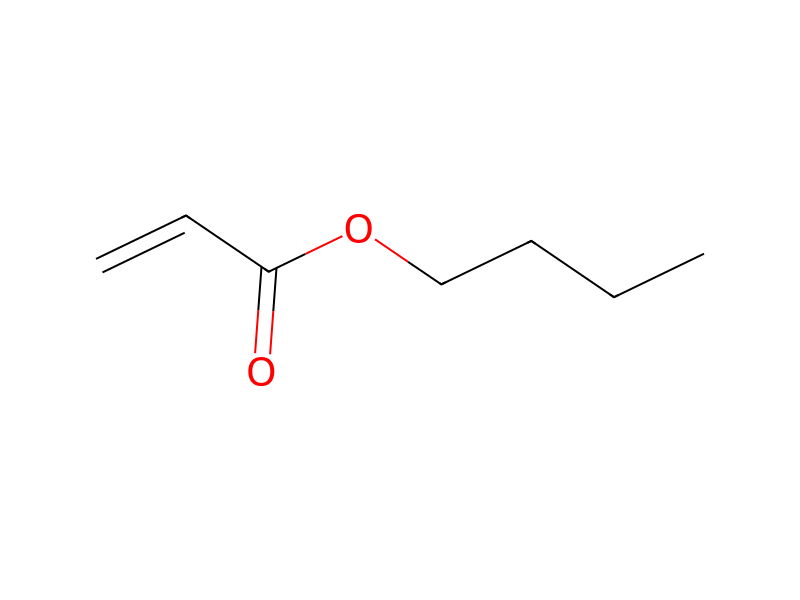






Conditions
- Temperature
- 90 °C
Procedure
Microencapsulated Pd(OAc)2 (prepared as described in Example 1, 0.25 g, 2 mol %, based on palladium content) was added to a solution of 4-bromo nitrobenzene (1 mmol), butyl acrylate (1.5 mmol) and ammonium acetate (3 mmol) in 1,2-dimethoxyethane (5 mL) and stirred at 90° C. for 8 h. The reaction mixture was cooled to room temperature, diluted with ether (50 mL) and filtered through a polyethylene frit (20-micron porosity). The filtrate was washed with water (2×20 mL), brine (20 mL) and dried (MgSO4). Evaporation under reduced pressure and purification by column chromatography gave butyl 4-nitro-trans-cinnamate 87%; IR: 1709, 1643, 1519 and 1343; 1H NMR (400 MHz; CDCl3): 8.24 (2H, d, J 8.8), 7.7 (1H, d, J 15.6), 7.67 (2H, d, J 8.5), 6.55 (1H, d, J 16.1), 4.23 (2H, t, J 7), 1.7 (2H, qn, J 7.6), 1.44 (2H, sext, J 7.6) and 0.97 (3H, t, J 7.4); 13C NMR (CDCl3): 166.0, 148.4, 141.5, 140.6, 128.5, 124.1, 122.6, 64.8, 30.6, 19.1 and 13.6.
Workup
- temperatureThe reaction mixture was cooled to room temperature
- filtrationfiltered through a polyethylene frit (20-micron porosity)
- washThe filtrate was washed with water (2×20 mL), brine (20 mL)
- dry with materialdried (MgSO4)
- customEvaporation
- customunder reduced pressure and purification by column chromatography
Sources & evidence
- ORD record
- ord-c68530e512484819a702da32f9b51182
- Source dataset
- uspto-grants-2014_09
- Patent number
- US08828902B2
Reaction notes
Loading…