2-Hydroxyethyl acrylate → Urethane acrylate
Reaction equation

[C:1]([O-:14])(=[O:13])[CH2:2][CH2:3]CCCCCCCCC.[C:15]([O-])(=[O:27])[CH2:16]CCCCCCCCCC.C([Sn+2]CCCC)CCC.CC(CCCCN=C=O)C(N=C=O)(C)C.[N-:53]=[C:54]=[O:55].OCCOC(=O)C=C>C(OCC)(=O)C>[C:1]([OH:14])(=[O:13])[CH:2]=[CH2:3].[NH2:53][C:54]([O:27][CH2:15][CH3:16])=[O:55]Participants
6
Reactant 4

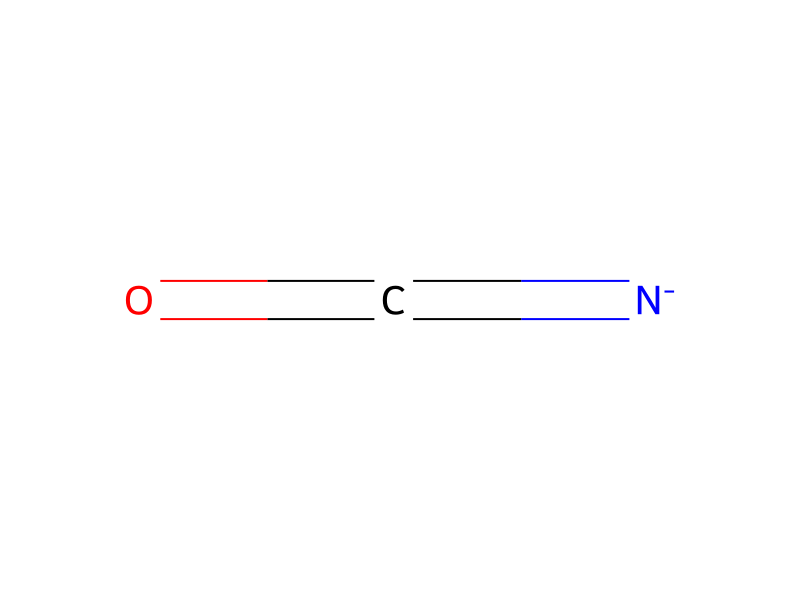


Product 1

Reagents, catalysts & solvents 1

Procedure
212 g (approx. 0.2 mol) Tego-Diol BD-1000, 70 g ethyl acetate and 0.1 g dibutyltin dilaurate are introduced into a 2 l 3-neck flask equipped with thermometer, reflux cooler, mechanical stirrer and drying tube, and 126 g (0.6 mol) trimethyl-hexamethylene diisocyanate added in measured doses, accompanied by cooling, over a period of 30 minutes. The reaction mixture is stirred for 20 hours at room temperature until the isocyanate content has fallen to 7.7%. 91 g hydroxyethylacrylate is added accompanied by cooling. After 72 hours at room temperature, an isocyanate value of 0 is recorded, at which the reaction is ended. The ethyl acetate can be distilled off in fine vacuum.
Workup
- customequipped with thermometer
- temperaturereflux cooler, mechanical stirrer
- customdrying tube
- temperatureby cooling, over a period of 30 minutes
- temperatureby cooling
- distillationThe ethyl acetate can be distilled off in fine vacuum
Sources & evidence
- ORD record
- ord-6f4b19c22f8f4ddab9b42fbe5708668d
- Source dataset
- uspto-grants-2006_11
- Patent number
- US07141616B2
Reaction notes
Loading…