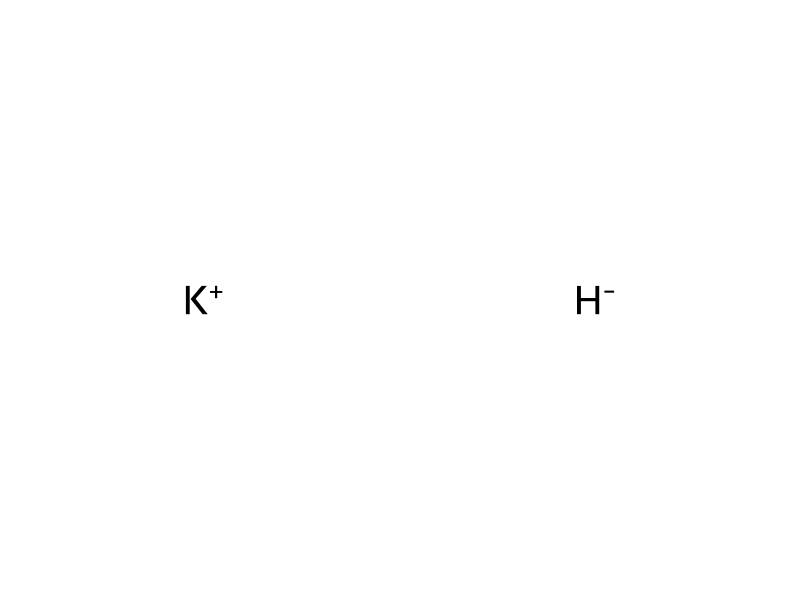
Potassium hydride → HCID 178419343, compound
Reaction equation

[H-].[K+].[Br:3][C:4]1[CH:9]=[CH:8][C:7]([CH:10]2[CH2:18][CH:17]3[C:12](=[CH:13][CH:14]=[CH:15][CH2:16]3)[CH2:11]2)=[CH:6][CH:5]=1.[Cl-:19].[Cl-].[Cl-].[Cl-].[Zr+4:23]>C(OCC)C>[Cl-:19].[Cl-:19].[Br:3][C:4]1[CH:5]=[CH:6][C:7]([CH:10]2[CH2:18][CH:17]3[C:12](=[CH:13][CH:14]=[CH:15][CH2:16]3)[CH:11]2[Zr+2:23][CH:11]2[C:12]3[CH:17]([CH2:16][CH:15]=[CH:14][CH:13]=3)[CH2:18][CH:10]2[C:7]2[CH:6]=[CH:5][C:4]([Br:3])=[CH:9][CH:8]=2)=[CH:8][CH:9]=1Participants
5
Reactant 3


Product 1

Reagents, catalysts & solvents 1

Procedure
Again the procedure of Example I was used but in this case 0.677 mmol of potassium hydride was used in place of the n-butyllithium and the starting material was 2-(para-bromophenyl) tetrahydroindene in the amount of 0.615 mmol in 8 ml of diethylether. The procedure employed 0.31 mmol of the zirconium tetrachloride. The resulting product was purified and identified as bis(2-(para-bromophenyl) tetrahydroindenyl) zirconium dichloride.
Workup
- customThe resulting product was purified
Sources & evidence
- ORD record
- ord-4c9d8cb265bb406a993b4ab5332f3db5
- Source dataset
- uspto-grants-1998_01
- Patent number
- US05705579
Reaction notes
Loading…