Triethylamine → HCID 19709590, compound
Reaction equation

[F:1][C:2]1[CH:9]=[CH:8][CH:7]=[CH:6][C:3]=1[CH:4]=O.Cl.[NH2:11][CH2:12][C:13]([N:15]1[CH2:20][CH2:19][O:18][CH2:17][CH2:16]1)=[O:14].C(N(CC)CC)C>ClCCl>[F:1][C:2]1[CH:9]=[CH:8][CH:7]=[CH:6][C:3]=1[CH:4]=[N:11][CH2:12][C:13]([N:15]1[CH2:20][CH2:19][O:18][CH2:17][CH2:16]1)=[O:14]Participants
5
Reactant 3


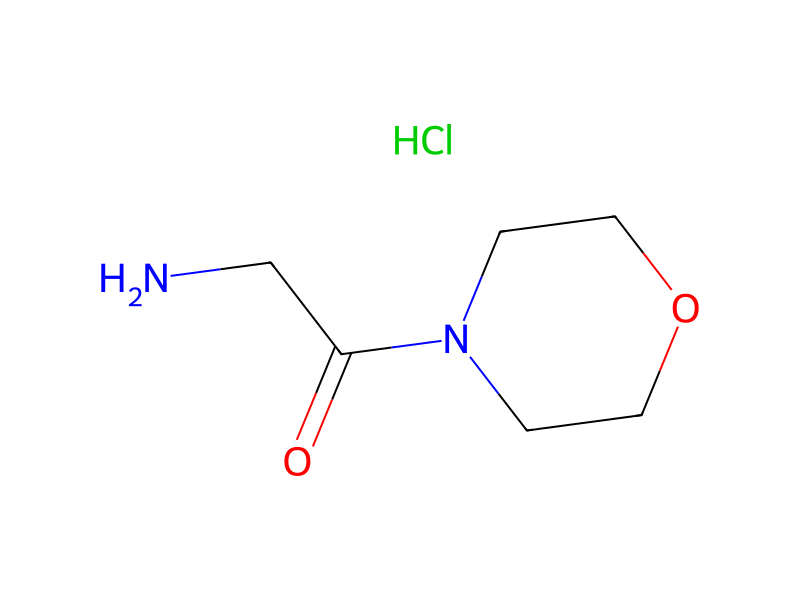
Product 1

Reagents, catalysts & solvents 1

Procedure
D 4-[2-(2-Fluorobenzylidaneamino)acetyl]morpholine can be prepared as described in Example 2D, but from 5.3 cm3 of 2-fluorobenzaldehyde, 9.1 g of 4-(2-aminoacetyl)morpholine hydrochloride, 6 g of 4 Å seive and 7 cm3 of triethylamine in 150 cm3 of dichloromethane. After treatment, there are obtained 12 g of 4-[2-(2-fluorobenzylideneamino)acetyl]morpholine in the form of an oil used as is in the subsequent syntheses.
Sources & evidence
- ORD record
- ord-f3079257dfc8430aa21b28126e294f43
- Source dataset
- uspto-grants-1998_01
- Patent number
- US05707991
Reaction notes
Loading…