Triethylamine → 4-fluoro-N-(1H-indol-5-yl)benzamide
Reaction equation

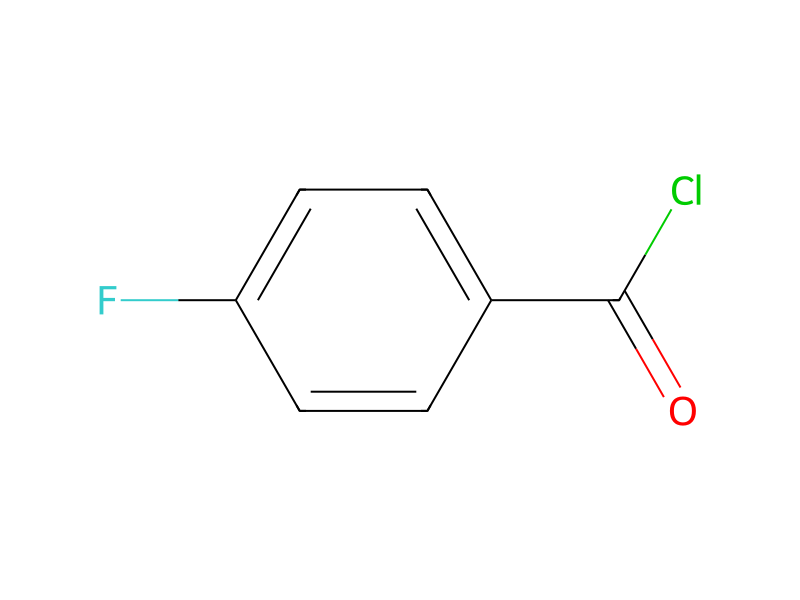
[NH2:1][C:2]1[CH:3]=[C:4]2[C:8](=[CH:9][CH:10]=1)[NH:7][CH:6]=[CH:5]2.C(N(CC)CC)C.[F:18][C:19]1[CH:27]=[CH:26][C:22]([C:23](Cl)=[O:24])=[CH:21][CH:20]=1.[OH-].[Na+]>O1CCCC1.O>[F:18][C:19]1[CH:27]=[CH:26][C:22]([C:23]([NH:1][C:2]2[CH:3]=[C:4]3[C:8](=[CH:9][CH:10]=2)[NH:7][CH:6]=[CH:5]3)=[O:24])=[CH:21][CH:20]=1Participants
7






Procedure
To a solution of 3.96 gm (30.0 mMol) 5-amino-1H-indole in 150 mL tetrahydrofuran were added 5.6 mL triethylamine followed by a solution of 5.2 gm (33.0 mMol) 4-fluorobenzoyl chloride in 30 mL tetrahydrofuran. After 18 hours the reaction mixture was poured into water, made basic with sodium hydroxide solution, and extracted with dichloromethane. The organic extracts were combined, dried over sodium sulfate and concentrated under reduced pressure to give a purple solid. This residue was recrystallized from ethyl acetate/hexane to give 6.37 gm (84%) 5-(4-fluoro-benzoyl)amino-1H-indole as brown crystals in two crops.
Workup
- extractionextracted with dichloromethane
- dry with materialdried over sodium sulfate
- concentrationconcentrated under reduced pressure
- customto give a purple solid
- customThis residue was recrystallized from ethyl acetate/hexane
Sources & evidence
- ORD record
- ord-7cd742c051dd48b2b3df14f496807fef
- Source dataset
- uspto-grants-1998_01
- Patent number
- US05708008
Reaction notes
Loading…