Glyoxal → 6-methyl-1,2,3,4-tetrahydroquinoxaline
Reaction equation

[NH2:1][C:2]1[C:3]([NH2:9])=[C:4](C)[CH:5]=[CH:6][CH:7]=1.[CH:10]([CH:12]=O)=O.S(=O)(O)[O-].[Na+].[C:19](=O)([O-])[O-].[K+].[K+]>O>[CH3:19][C:5]1[CH:4]=[C:3]2[C:2](=[CH:7][CH:6]=1)[NH:1][CH2:12][CH2:10][NH:9]2Participants
Reactant 4
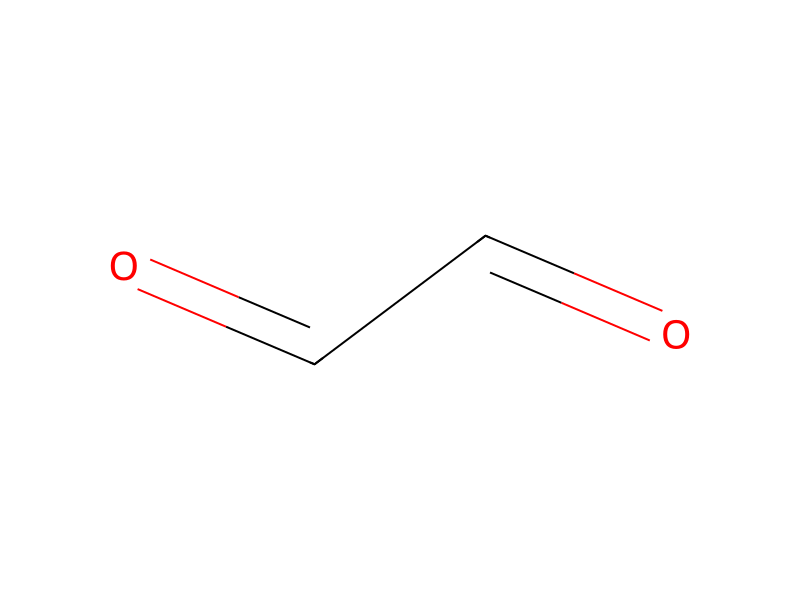


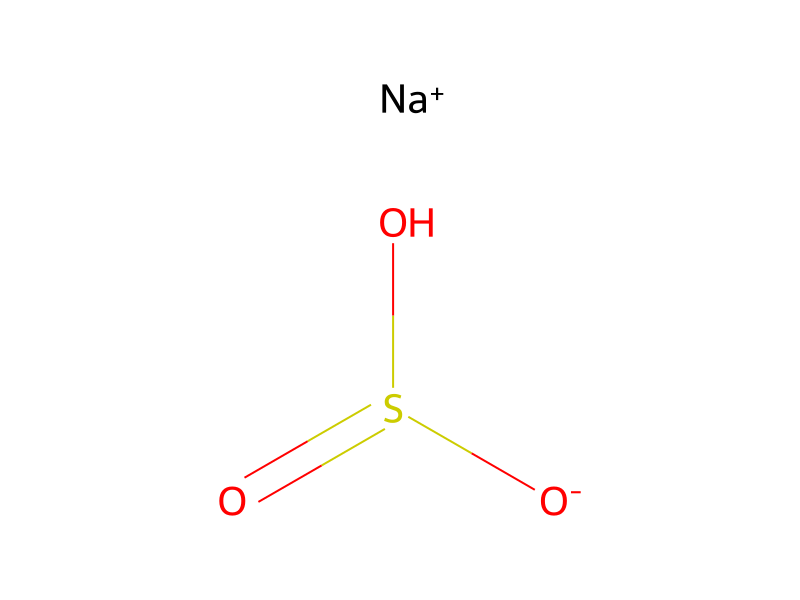
Product 1

Reagents, catalysts & solvents 1

Conditions
- Temperature
- 60 °C
Procedure
3,4-diaminotoluene was purified by sublimation. 12.2 g (0.1 mol) diaminotoluene was dissolved in 100 cm3 water at 70° C. To this was added 15.0 g 40% aqueous glyoxal solution (0.104 mol) in a solution of 21.5 g sodium bisulfite in 100 cm3 water. After 15 minutes at 60° C. the reaction mixture was cooled and 15 g potassium carbonate added. The product, 6-methylquinoxaline, was extracted with dichloromethane and purified by distillation. 6-methylquinoxaline was hydrogenated at 60 psi, 50° C. with PtO2 catalyst in ethanol, to produce 1,2,3,4-tetrahydro-6-methylquinoxaline. 1.48 g (0.01 mol) 1,2,3,4-tetrahydro-6-methylquinoxaline, 3.7 g (0.04 mol) epichlorohydrin, 3 cm3 benzene and 0.027 cm3 (0.00045 mol) acetic acid were reacted under nitrogen at 60° C. until reaction was shown to be complete by reverse phase HPLC (approximately 3 hours). Solvent and excess reactants were removed by distillation. 3.0 cm3 of water and 1.5 g of concentrated HCl were added under nitrogen and stirred to dissolve at 60° C., then 0.49 g (approximately 0.006 mol) of 37% aqueous formaldehyde was added and the mixture stirred for 2 hours at 60° C. After cooling, the solution was neutralised with 10% aqueous NaOH, upon which it separated into an organic and an aqueous layer. The aqueous layer was decanted off and the organic layer dried thoroughly under vacuum. The resulting friable foamed solid was powdered finely, 1.0 g (0.025 mol) powdered NaOH and 12 cm3 butanone were added under nitrogen, and the resulting slurry was stirred vigorously for 2 hours at 60° C. The reaction mixture was allowed to cool and settle, was filtered, and the solvent removed from the filtrate to give an amber coloured resinous product.
Workup
- custom3,4-diaminotoluene was purified by sublimation
- extractionThe product, 6-methylquinoxaline, was extracted with dichloromethane
- distillationpurified by distillation
- customwas hydrogenated at 60 psi, 50° C. with PtO2 catalyst in ethanol
Sources & evidence
- ORD record
- ord-376258cac5984c8aa9cf42a4d06f812d
- Source dataset
- uspto-grants-1998_01
- Patent number
- US05710242
Reaction notes
Loading…