Hydrochloric Acid → HCID 22129662, compound
Reaction equation

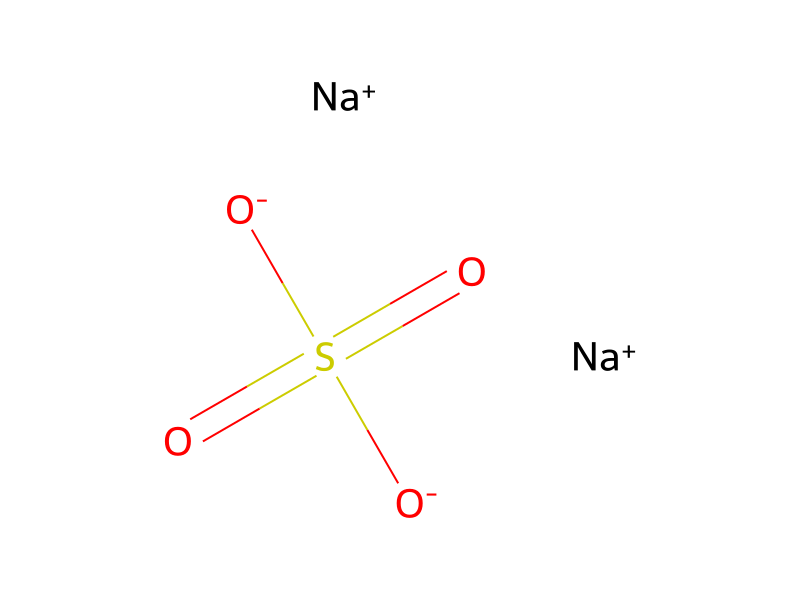
N1([CH:6]([C:9]2[CH:14]=[CH:13][C:12]([Cl:15])=[C:11](Cl)[CH:10]=2)CN)CCCC1.Cl.[N:18]1([CH:23]([C:32]#[N:33])[C:24]2[CH:29]=[CH:28][C:27]([Cl:30])=[C:26]([Cl:31])[CH:25]=2)[CH2:22][CH2:21][CH2:20][CH2:19]1.[H-].[Al+3].[Li+].[H-].[H-].[H-].S([O-])([O-])(=O)=[O:41].[Na+].[Na+].Cl>O1CCCC1.C(OCC)C>[ClH:15].[Cl:31][C:26]1[CH:25]=[C:24]([CH:23]([N:18]2[CH2:22][CH2:21][CH2:20][CH2:19]2)[CH2:32][NH:33][C:6](=[O:41])[C:9]2[CH:14]=[CH:13][CH:12]=[CH:11][CH:10]=2)[CH:29]=[CH:28][C:27]=1[Cl:30]Participants
8
Reactant 5




Product 1

Reagents, catalysts & solvents 2


Procedure
2-(Pyrrolidin-1-yl)-2-(3,4-dichlorophenyl)ethylamine. A slurry of α-Pyrrolidin-1-yl-3,4-dichlorobenzyl cyanide hydrochloride salt (4.73 g) in tetrahydrofuran (100 mL) was added to a slurry of lithium aluminum hydride (3.23 g) in tetrahydrofuran (35 mL) while maintaining a reflux. The reaction was allowed to reflux 18 hours. The reaction was cooled in an ice bath and treated with aqueous sodium sulfate. The reaction was filtered and evaporated to give a reddish-brown oil. The oil was dissolved in diethylether, treated with hydrochloric acid (g)/diethylether, and evaporated to a red oil which was used directly in subsequent reactions.
Workup
- temperaturewhile maintaining a reflux
- temperatureto reflux 18 hours
- temperatureThe reaction was cooled in an ice bath
- filtrationThe reaction was filtered
- customevaporated
- customto give a reddish-brown oil
- customevaporated to a red oil which
Sources & evidence
- ORD record
- ord-25193dad64344986b18705520de0ab77
- Source dataset
- uspto-grants-1998_01
- Patent number
- US05710169
Reaction notes
Loading…