Diphenylphosphinic chloride → HCID 131720434, compound
Reaction equation

[OH:1][C@@H:2]([C@@H:4]1[C:25](=[O:26])[N:6]2[CH:7]([C:12]([O:14][CH2:15][C:16]3[CH:21]=[CH:20][C:19]([N+:22]([O-:24])=[O:23])=[CH:18][CH:17]=3)=[O:13])[C:8](=O)[C@H:9]([CH3:10])[C@H:5]12)[CH3:3].C1(P(Cl)(C2C=CC=CC=2)=O)C=CC=CC=1.C(N(C(C)C)CC)(C)C.FC(F)(F)S(O)(=O)=O.[C:59]([C@@H:62]1[CH2:66][C@H:65]([N:67]([CH3:69])[CH3:68])[CH2:64][N:63]1[C:70]([C@@H:72]1[CH2:76][C@H:75]([SH:77])[CH2:74][N:73]1[C:78]([O:80][CH2:81][C:82]1[CH:87]=[CH:86][C:85]([N+:88]([O-:90])=[O:89])=[CH:84][CH:83]=1)=[O:79])=[O:71])(=[O:61])[NH2:60]>C(#N)C.CO.C(OCC)(=O)C>[C:59]([C@@H:62]1[CH2:66][C@H:65]([N:67]([CH3:69])[CH3:68])[CH2:64][N:63]1[C:70]([C@@H:72]1[CH2:76][C@H:75]([S:77][C:8]2[C@H:9]([CH3:10])[C@H:5]3[C@H:4]([C@H:2]([OH:1])[CH3:3])[C:25](=[O:26])[N:6]3[C:7]=2[C:12]([O:14][CH2:15][C:16]2[CH:17]=[CH:18][C:19]([N+:22]([O-:24])=[O:23])=[CH:20][CH:21]=2)=[O:13])[CH2:74][N:73]1[C:78]([O:80][CH2:81][C:82]1[CH:87]=[CH:86][C:85]([N+:88]([O-:90])=[O:89])=[CH:84][CH:83]=1)=[O:79])=[O:71])(=[O:61])[NH2:60]Participants
Reactant 4
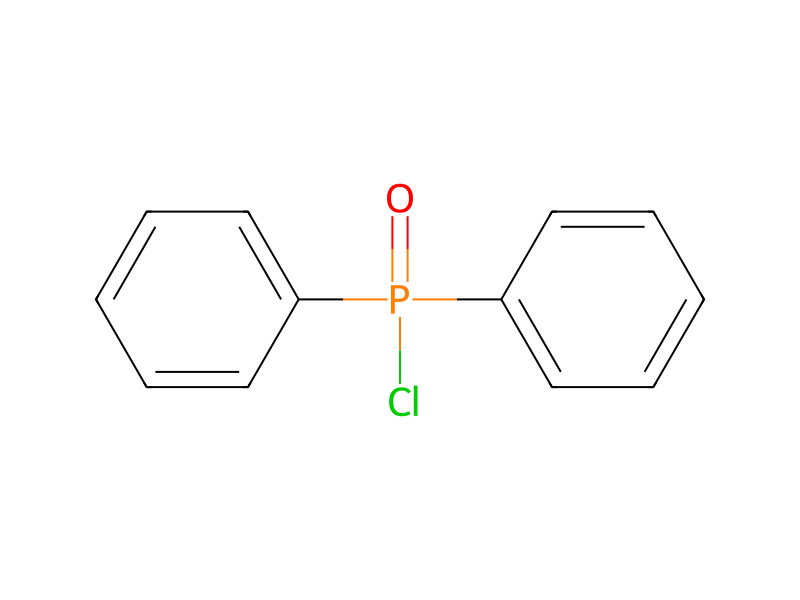



Product 1

Reagents, catalysts & solvents 3



Procedure
866 mg of 4-nitrobenzyl (1R,5R,6R)-6-[(1R)-1-hydroxyethyl]-1-methyl-2-oxo-1-carbapenam-3-carboxylate were dissolved in 8 ml of dry acetonitrile, and 520 μl of diphenylphosphoryl chloride and 437 μl of diisopropylethylamine were added dropwise to the resulting solution, whilst ice-cooling. The mixture was then stirred at the same temperature for 45 minutes. At the end of this time, a solution of 895 μl of diisopropylethylamine and 1.62 g of (2S,4S)-2-[(2S,4S)-2-carbamoyl-4-dimethylaminopyrrolidin -1-ylcarbonyl]-4-mercapto-1-(4-nitrobenzyloxycarbonyl)pyrrolidine trifluoromethanesulfonate in 7 ml of dry acetonitrile was added dropwise, whilst ice-cooling, to the mixture. The resulting mixture was then stirred at the same temperature for 30 minutes, after which it was left to stand overnight, whilst ice-cooling. The mixture was then treated in the same manner as described in Example 89(2), and was subjected to silica gel column chromatography. The fractions obtained by a gradient elution method, using mixtures of ethyl acetate and methanol ranging from 80:20 to 70:30 by volume as the eluent, were combined and concentrated by evaporation under reduced pressure, to obtain 521 mg of 4-nitrobenzyl (1R,5R,6R)-2-{(2S,4S)-2-[(2S,4S) -2-carbamoyl-4-dimethylaminopyrrolidin-1-ylcarbonyl]-1-(4-nitrobenzyloxycarbonyl)pyrrolidin-4-ylthio}-6-[(1R)-1-hydroxyethyl]-1-methyl-1-carbapen-2-em-3-carboxylate as a pale brown powder. 505 mg of this compound were dissolved in 6 ml of dry acetonitrile, and 81 μl of methyl fluorosulfonate were added dropwise, whilst ice-cooling, to the resulting solution, after which the mixture was stirred at the same temperature for 1 hour. At the end of this time, the solvent was removed by distillation under reduced pressure, and the resulting crude product was hydrogenated, treated and purified in the same manner as described in Example 89(4), to obtain 161 mg of the title compound as a colorless powder.
Workup
- temperaturecooling
- temperaturecooling, to the mixture
- stirringThe resulting mixture was then stirred at the same temperature for 30 minutes
- waitafter which it was left
- waitto stand overnight, whilst ice-
- temperaturecooling
- additionThe mixture was then treated in the same manner
- customThe fractions obtained by a gradient elution method
- concentrationconcentrated by evaporation under reduced pressure
Sources & evidence
- ORD record
- ord-7e30e1a322354119819ec07c11cf4f88
- Source dataset
- uspto-grants-1998_01
- Patent number
- US05712267
Reaction notes
Loading…