Sodium hydride → 4-Bromo-1-[(3-fluorophenyl)methyl]-1H-indole-2,3-dione
Reaction equation

[Br:1][C:2]1[CH:10]=[CH:9][CH:8]=[C:7]2[C:3]=1[C:4](=[O:12])[C:5](=[O:11])[NH:6]2.[H-].[Na+].[F:15][C:16]1[CH:17]=[C:18]([CH:21]=[CH:22][CH:23]=1)[CH2:19]Br>CN(C=O)C>[Br:1][C:2]1[CH:10]=[CH:9][CH:8]=[C:7]2[C:3]=1[C:4](=[O:12])[C:5](=[O:11])[N:6]2[CH2:19][C:18]1[CH:21]=[CH:22][CH:23]=[C:16]([F:15])[CH:17]=1Participants
5
Reactant 3

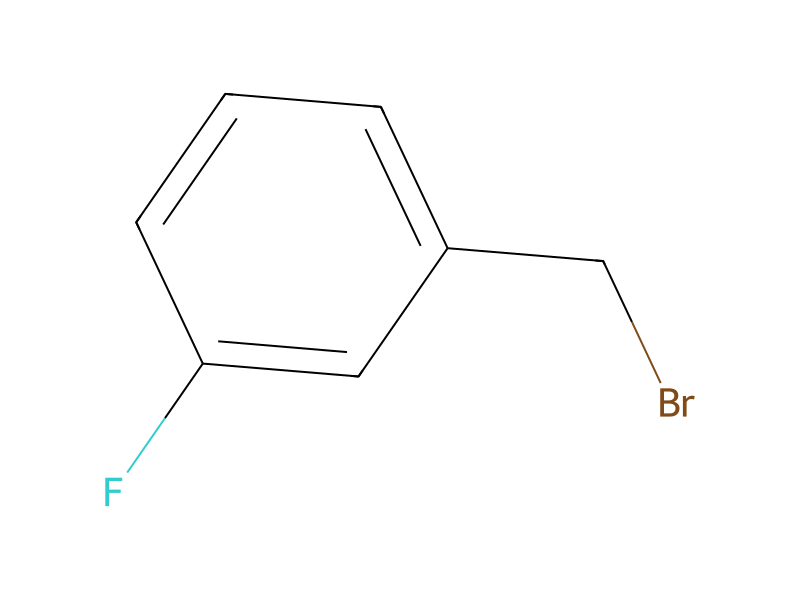

Product 1

Reagents, catalysts & solvents 1

Procedure
4-Bromo-1H-indole-2,3-dione (6.38 g) was dissolved in 100 mL of DMF and at 0° C., and 60% NaH (1.32 g) was added in portions. The mixture was stirred for 20 minutes before adding 3-fluorobenzyl bromide. The solution was stirred for approximately 30 minutes, quenched with water, and partitioned between water and diethyl ether. The organic layer was dried over sodium sulfate and evaporated to dryness under reduced pressure to yield 9.18 g 4-Bromo-1-(3-fluoro-benzyl)-1H-indole-2,3-dione that was sufficiently pure for use in step 2 below. MS: 385 (M+H)+.
Workup
- stirringThe solution was stirred for approximately 30 minutes
- customquenched with water
- custompartitioned between water and diethyl ether
- dry with materialThe organic layer was dried over sodium sulfate
- customevaporated to dryness under reduced pressure
Sources & evidence
- ORD record
- ord-69e001a7783d40b59848501397b28cb7
- Source dataset
- uspto-grants-2009_09
- Patent number
- US07582760B2
Reaction notes
Loading…